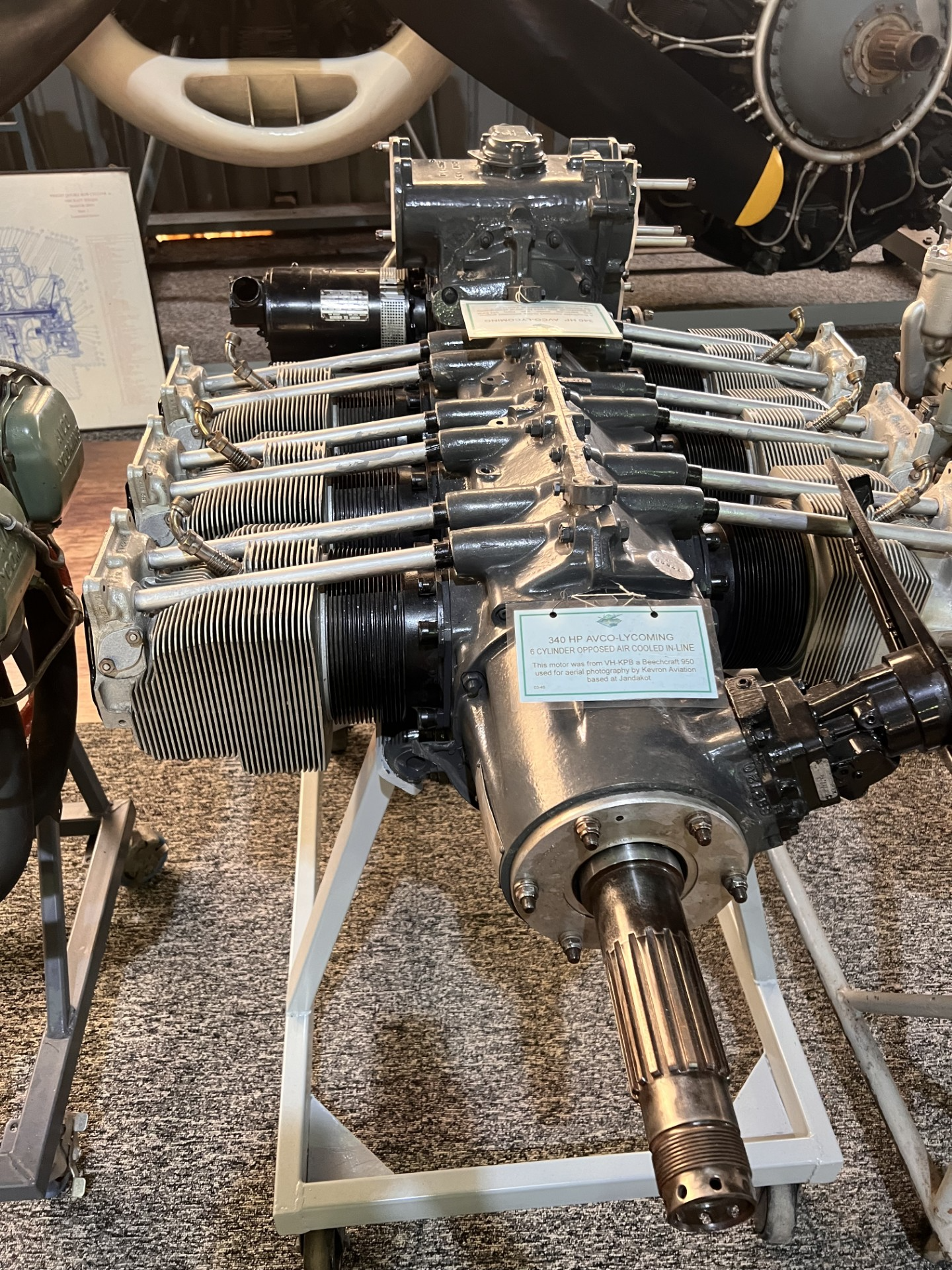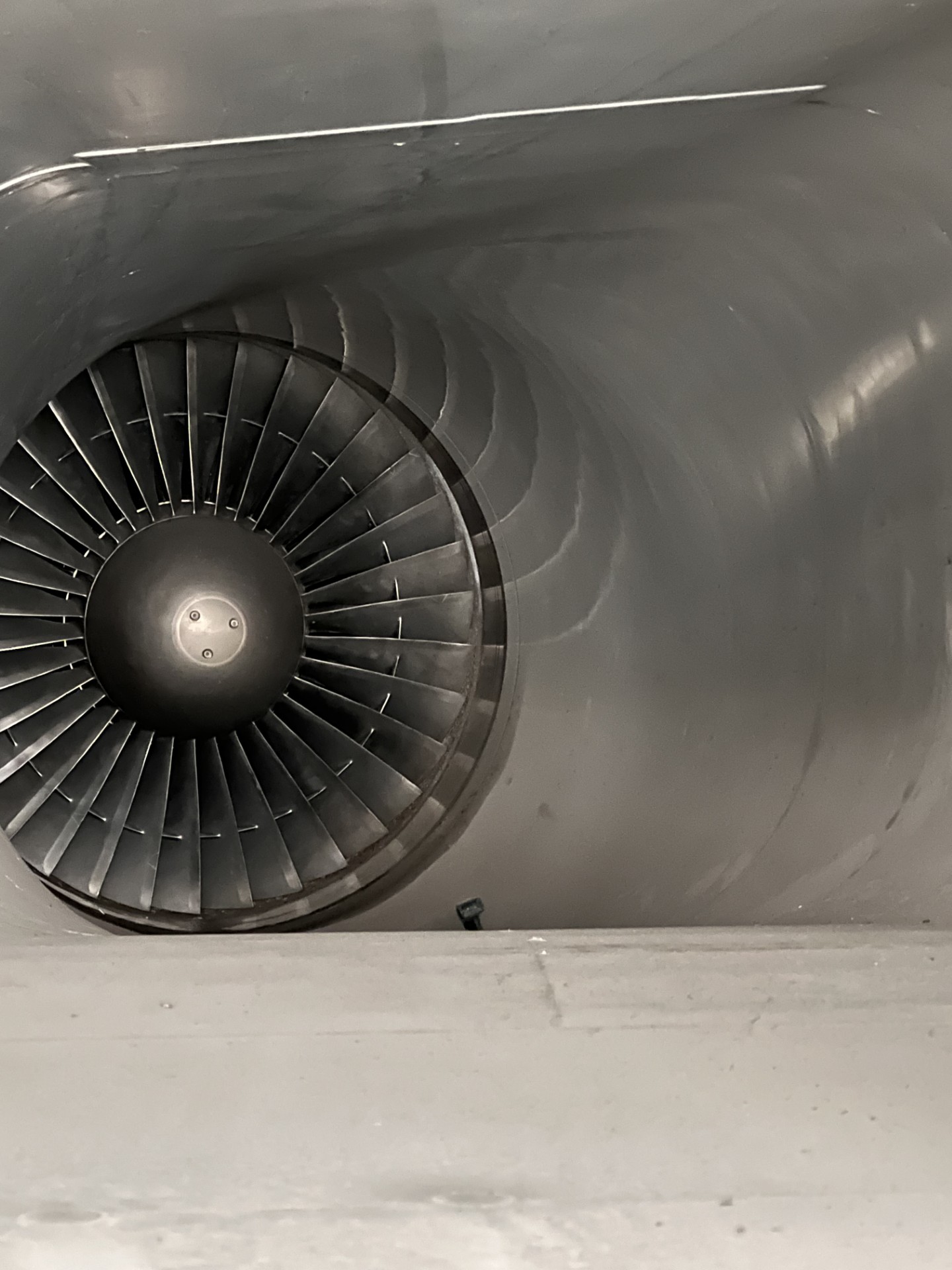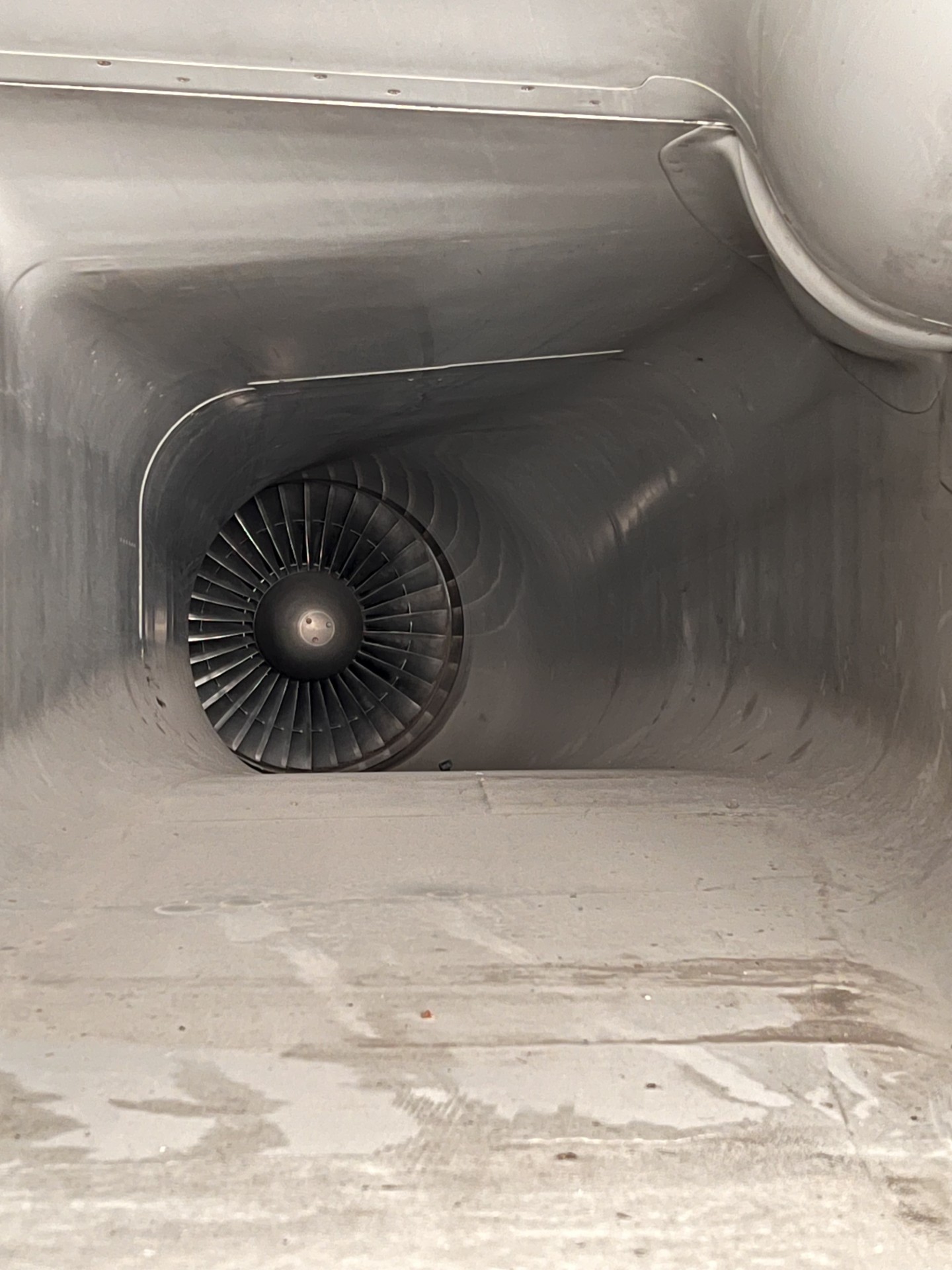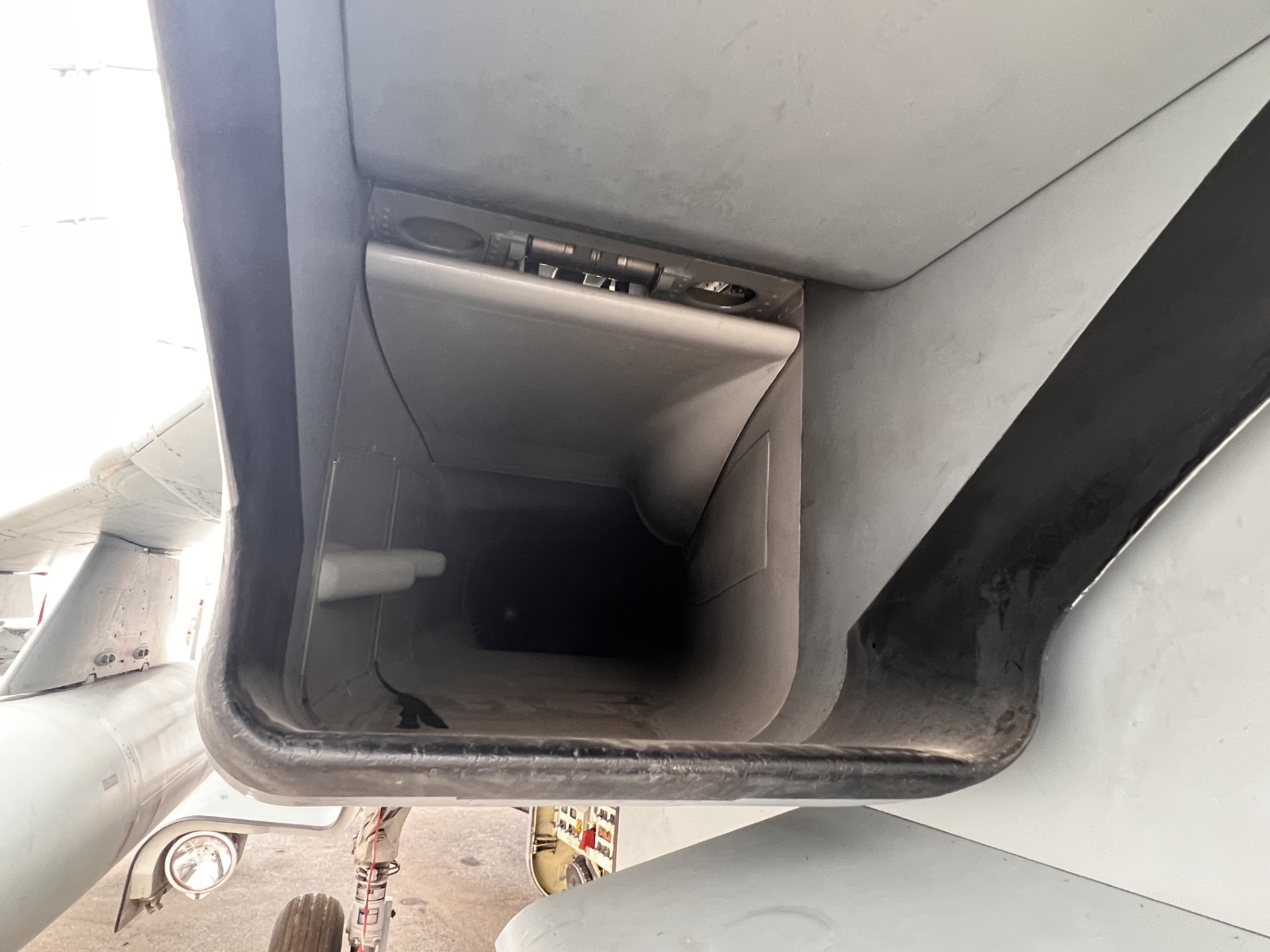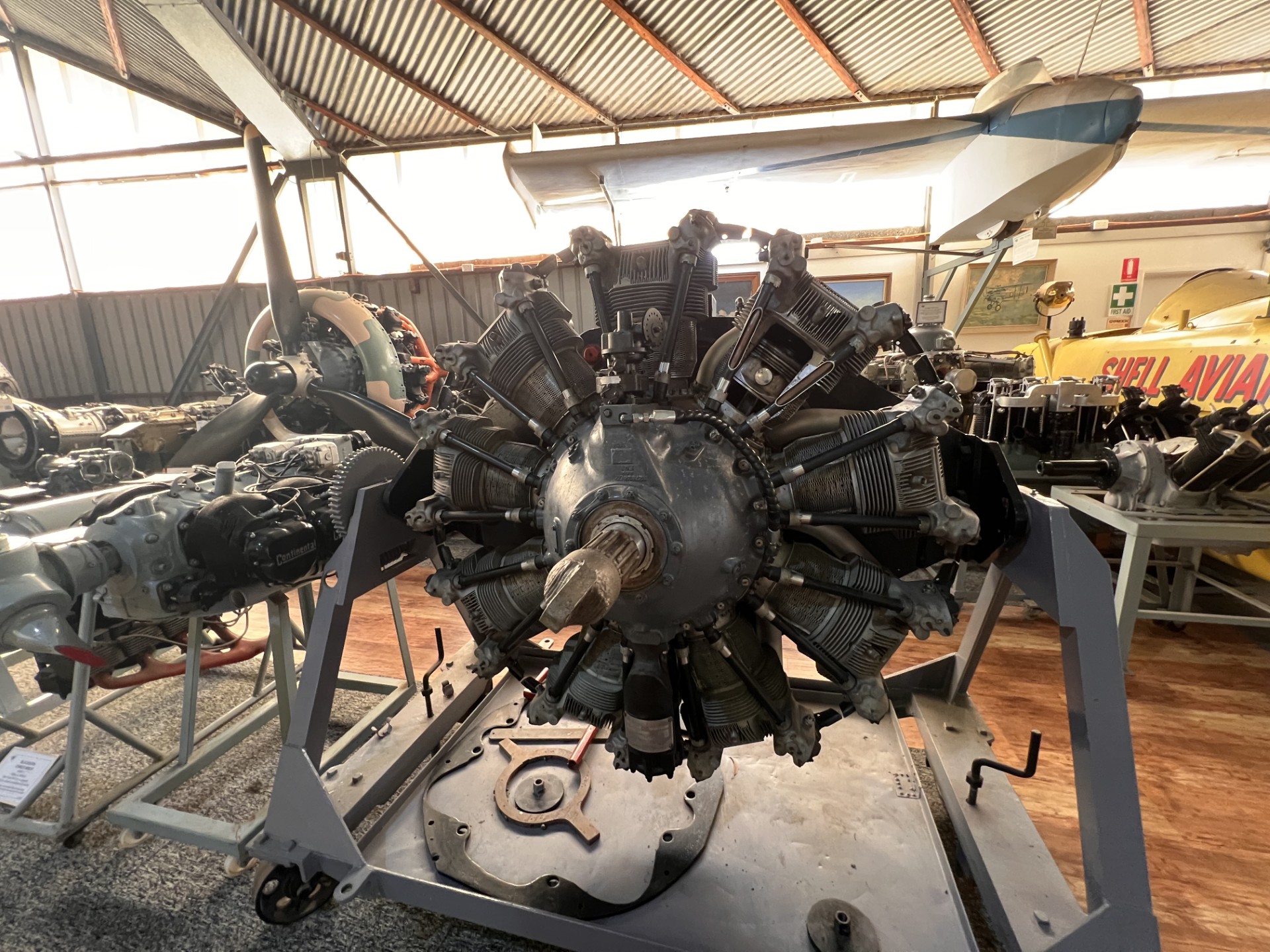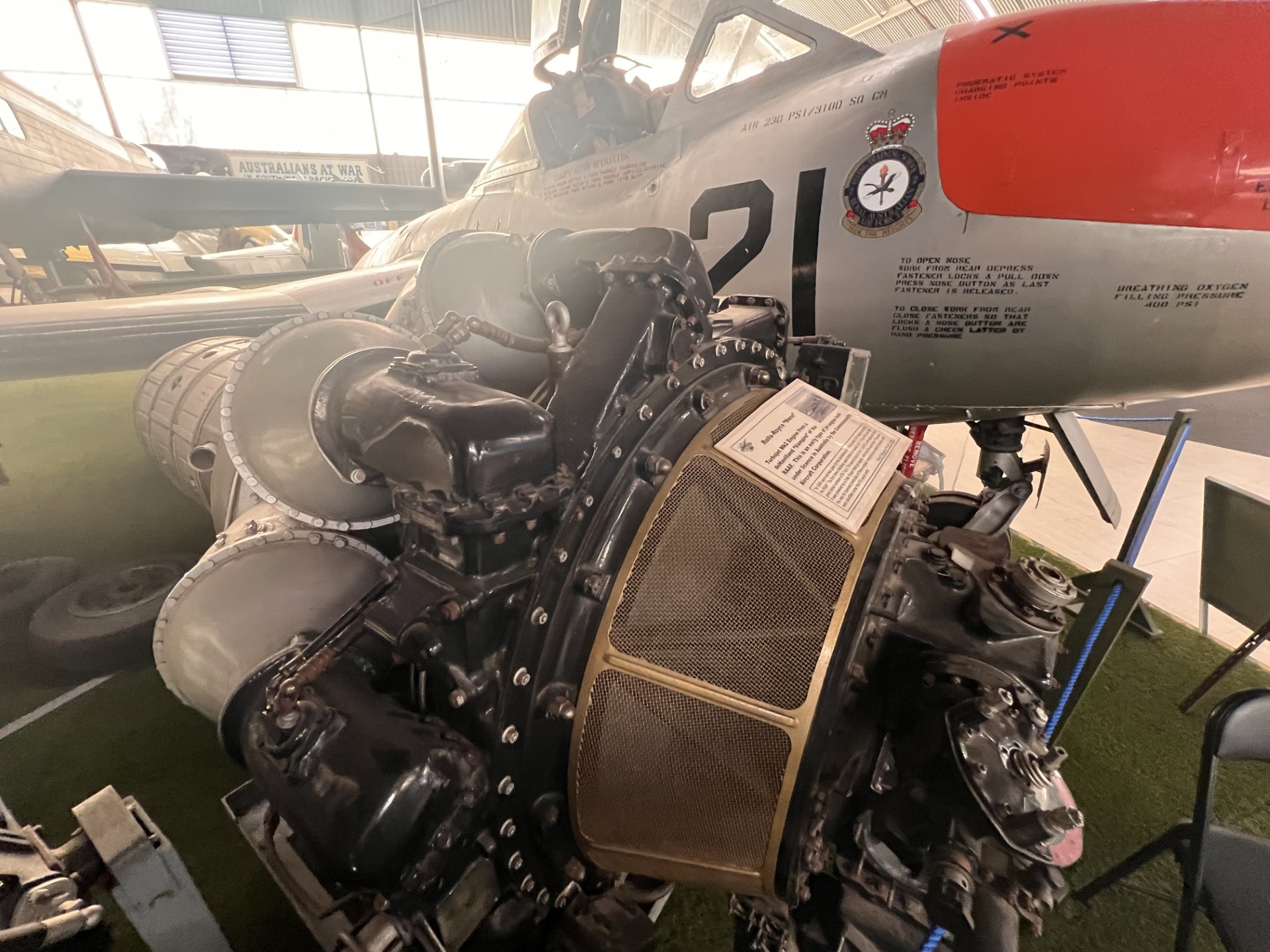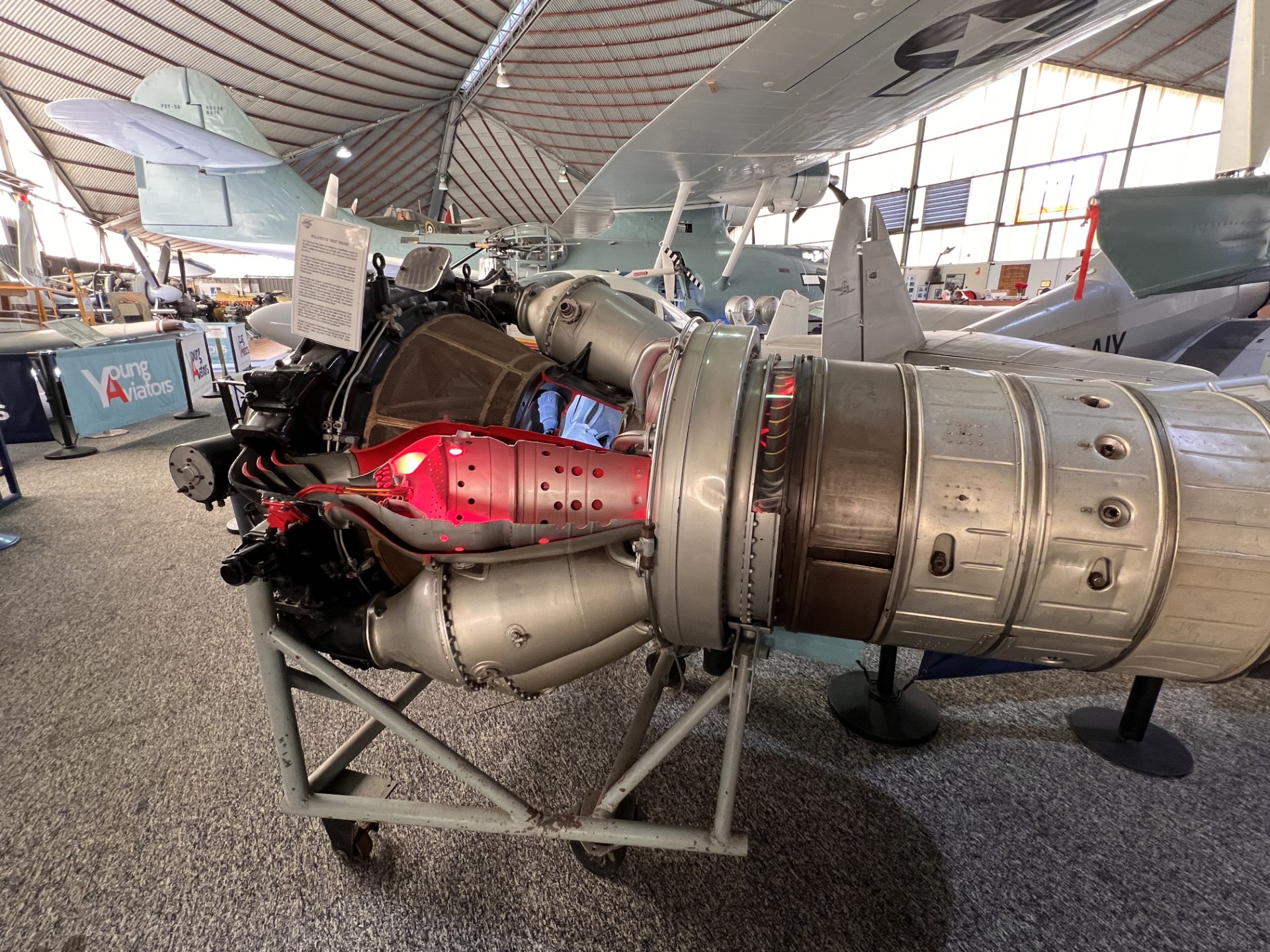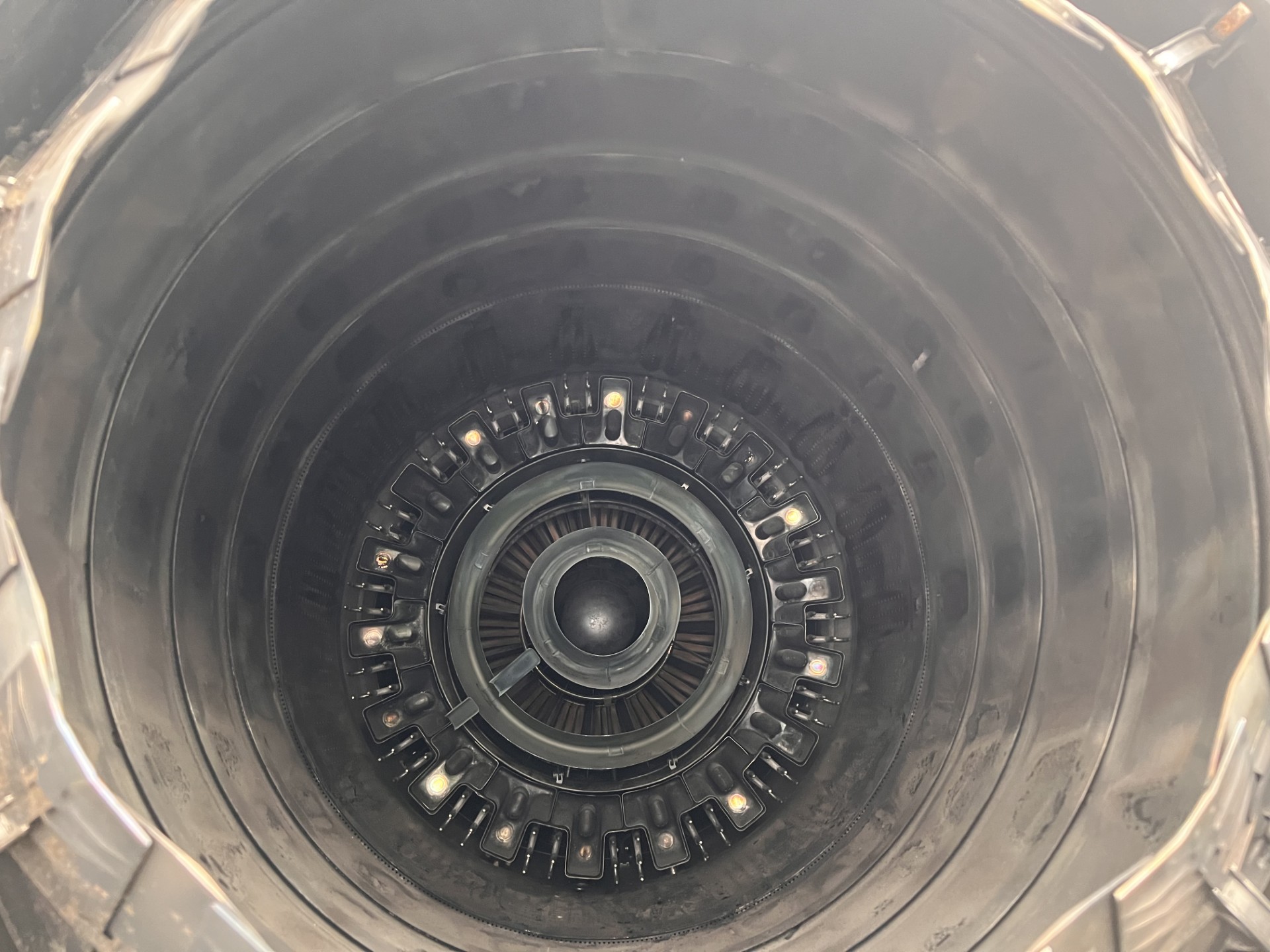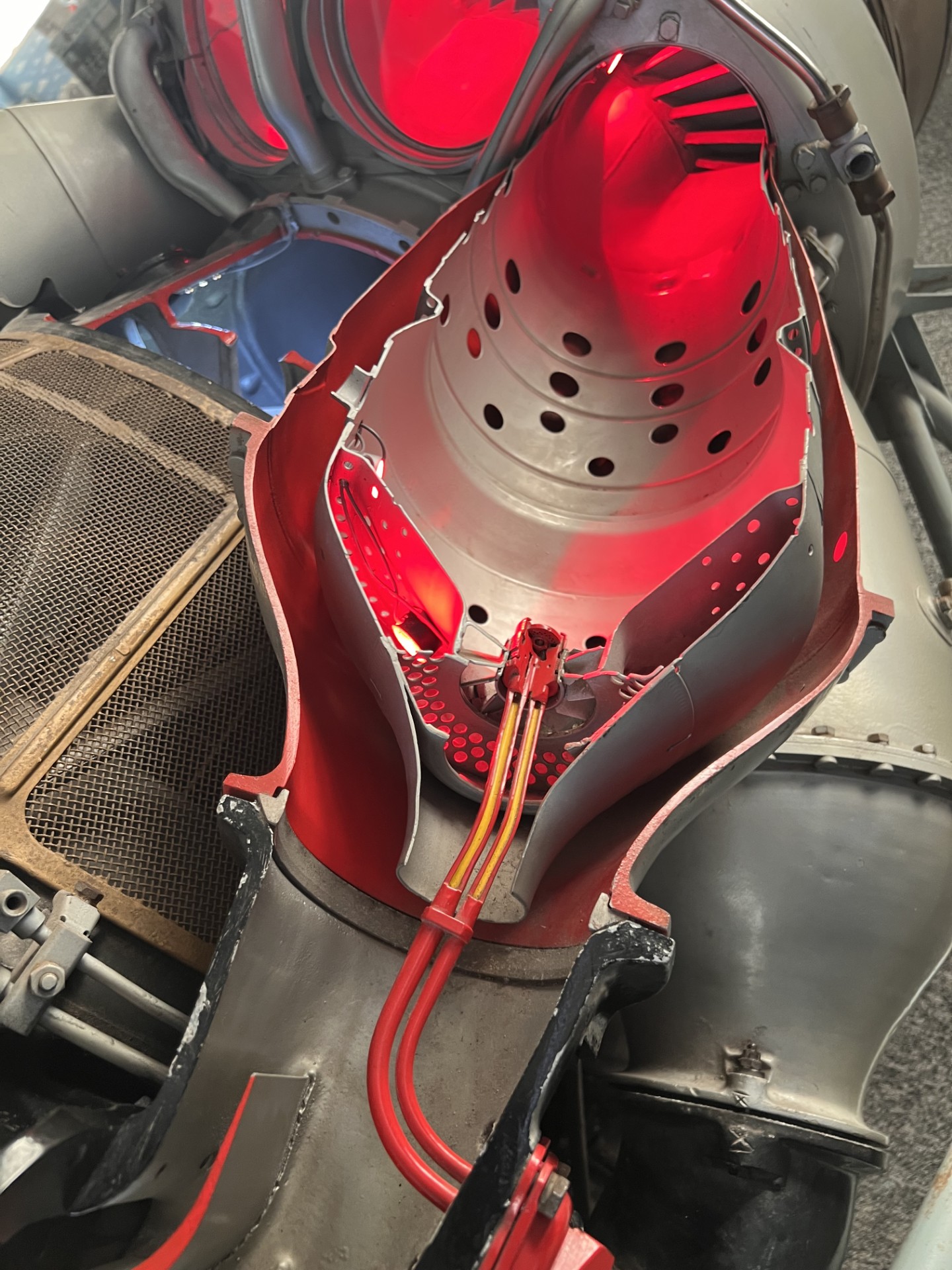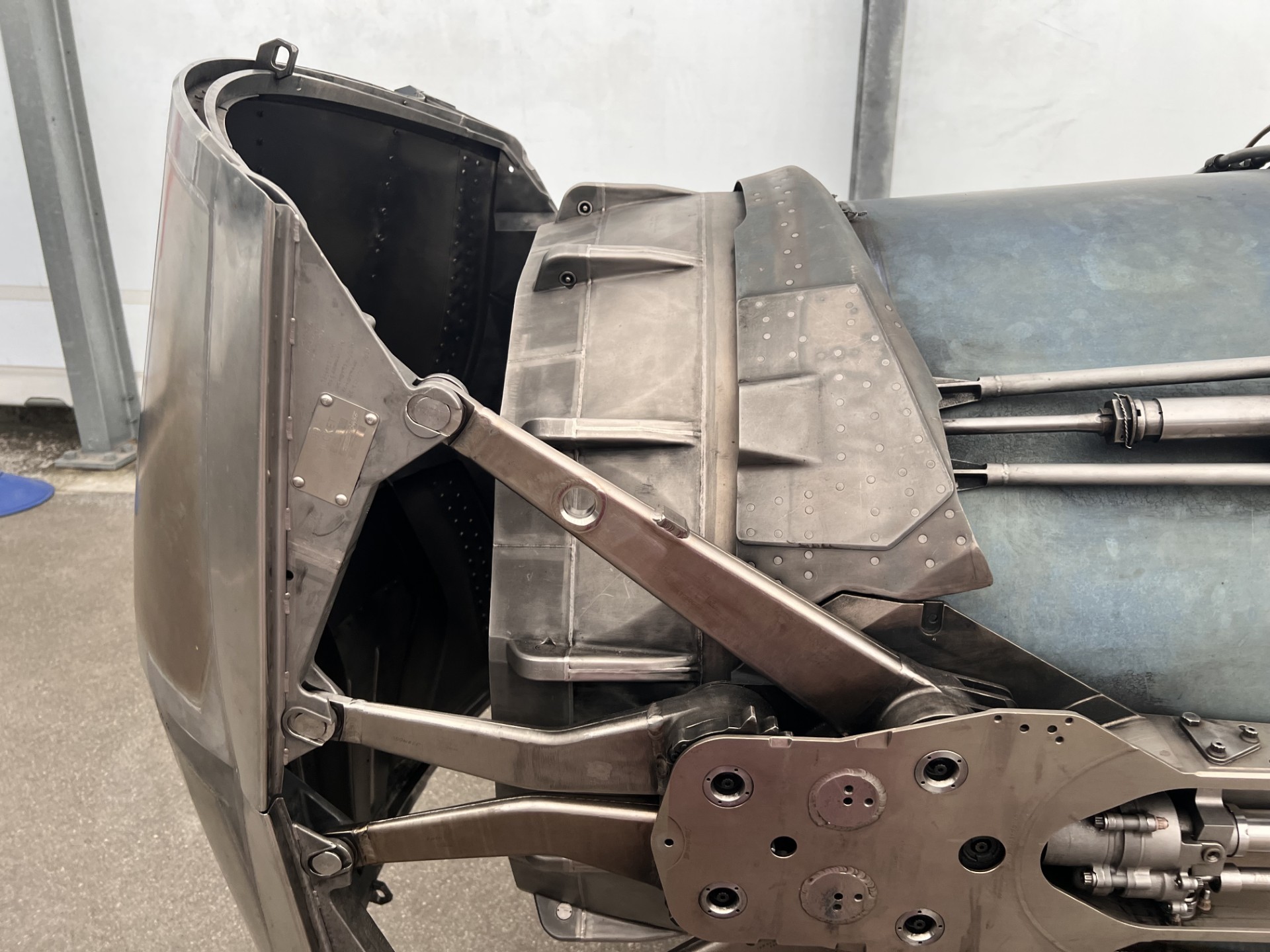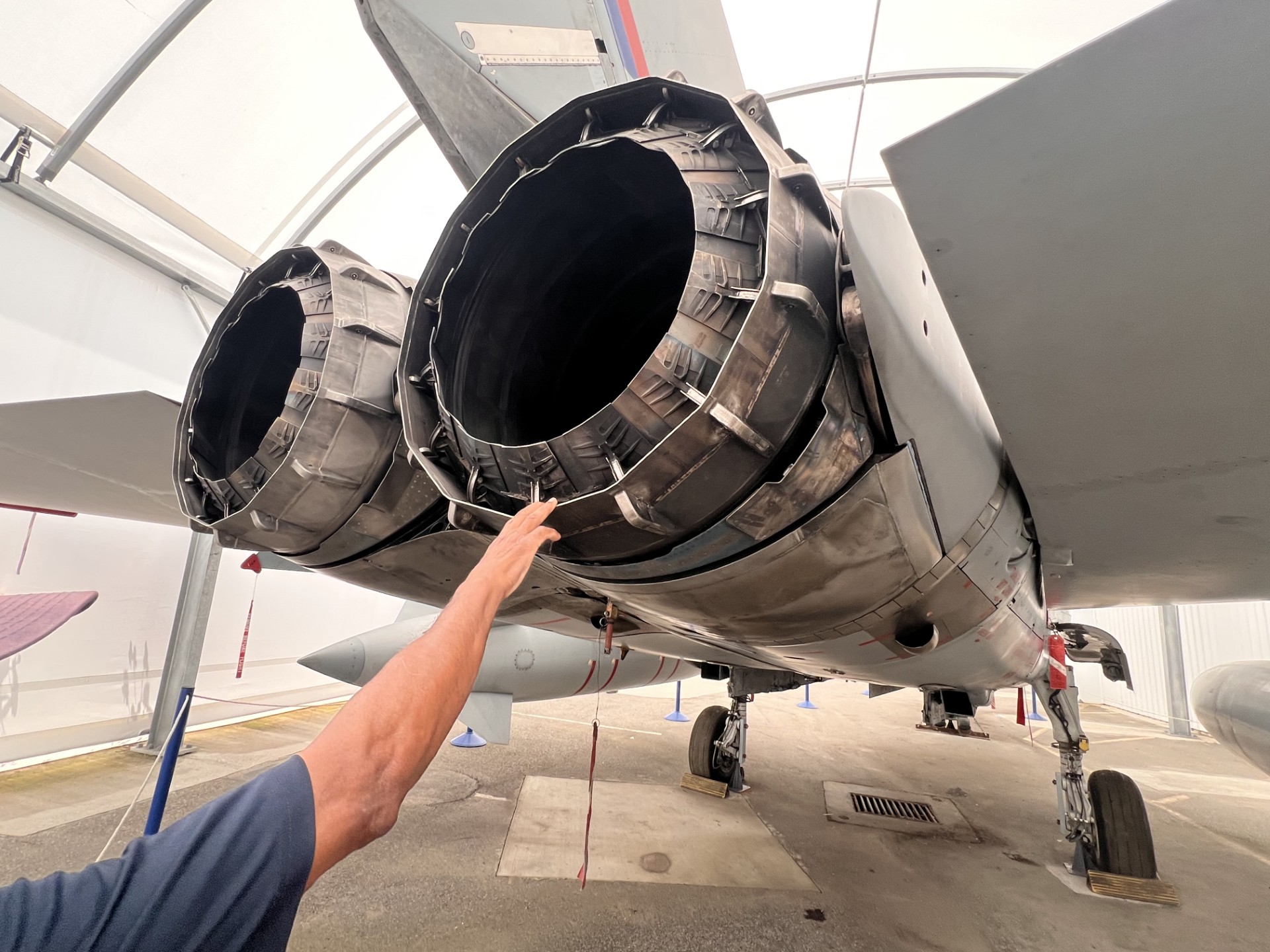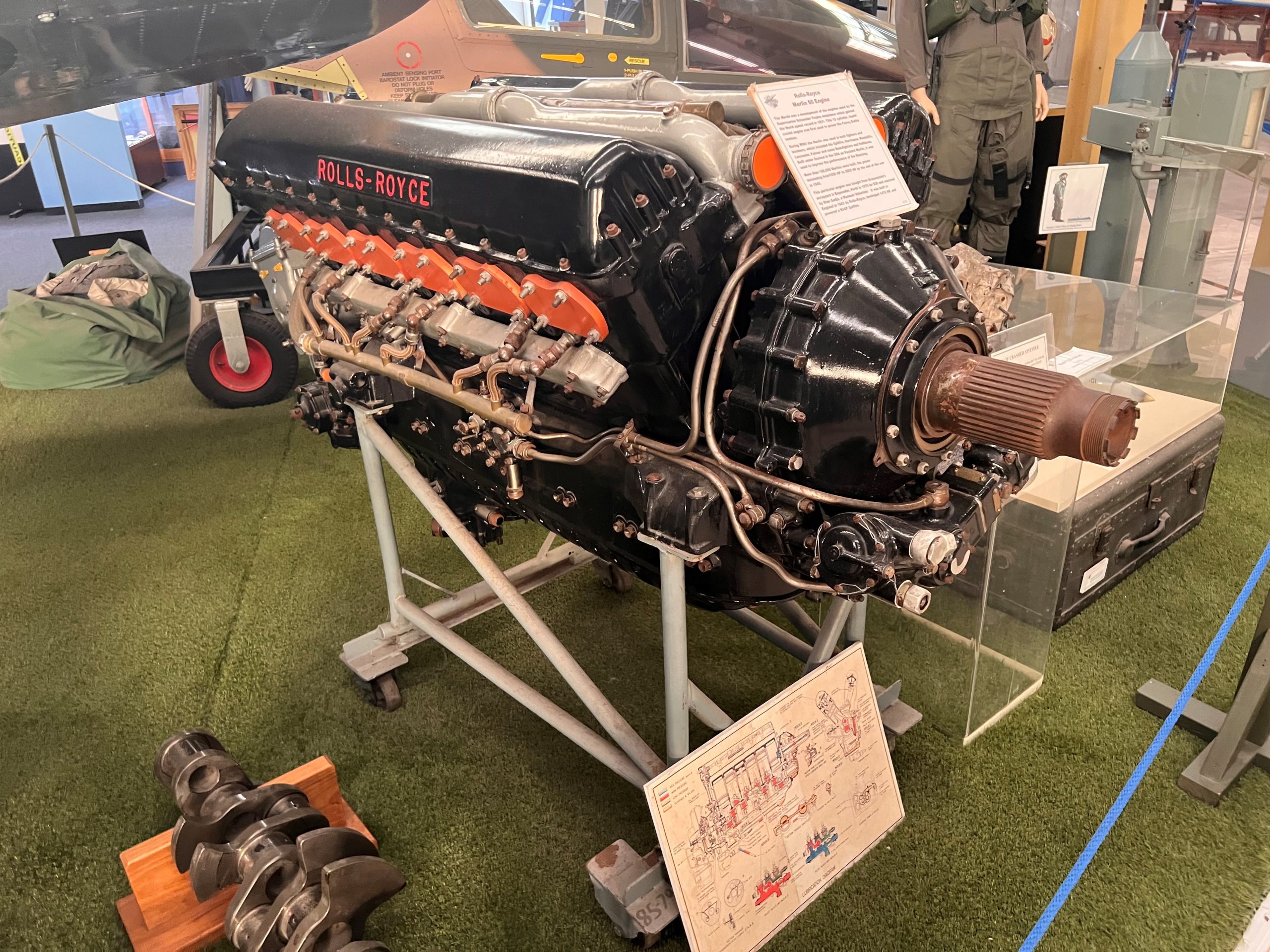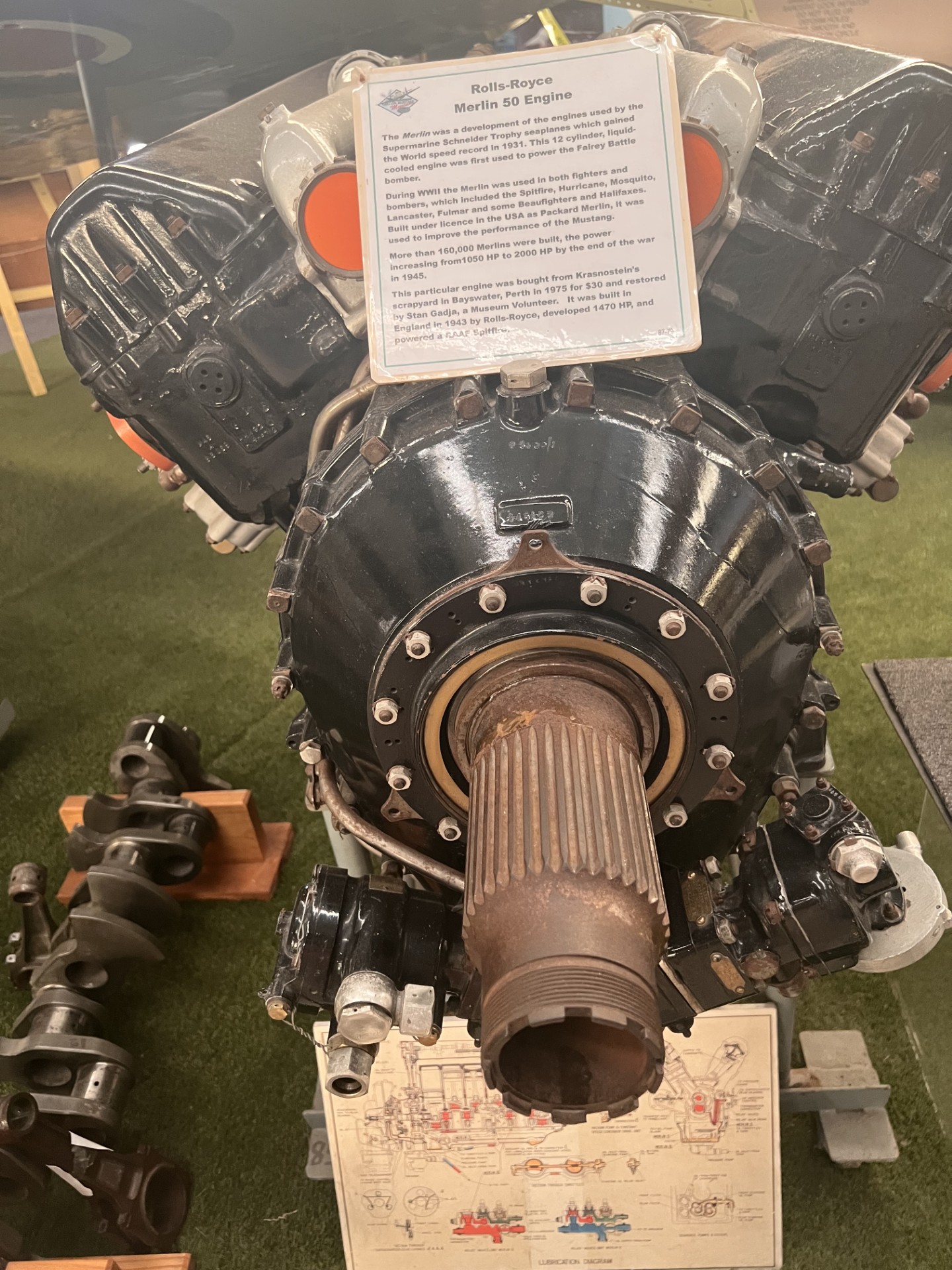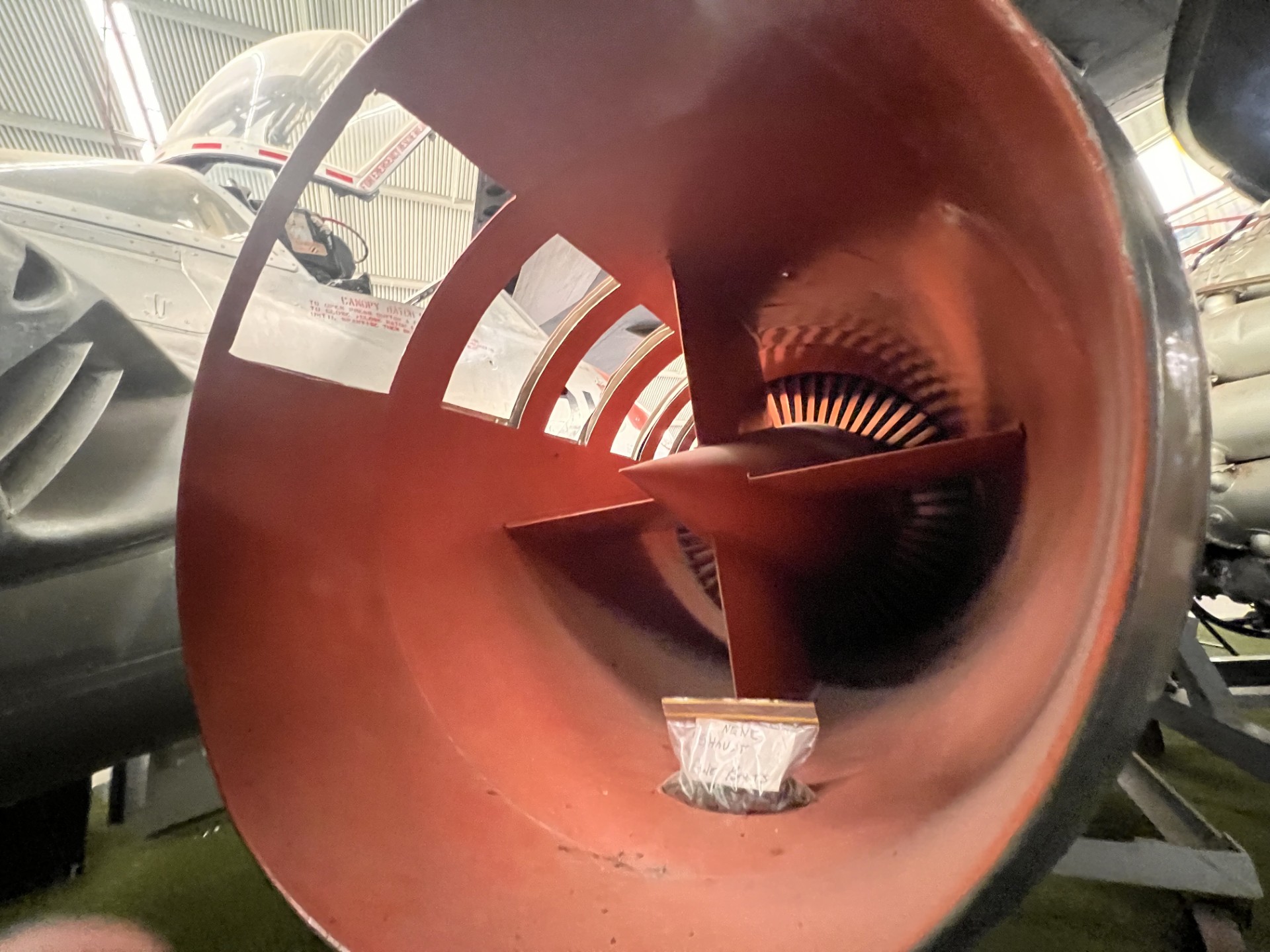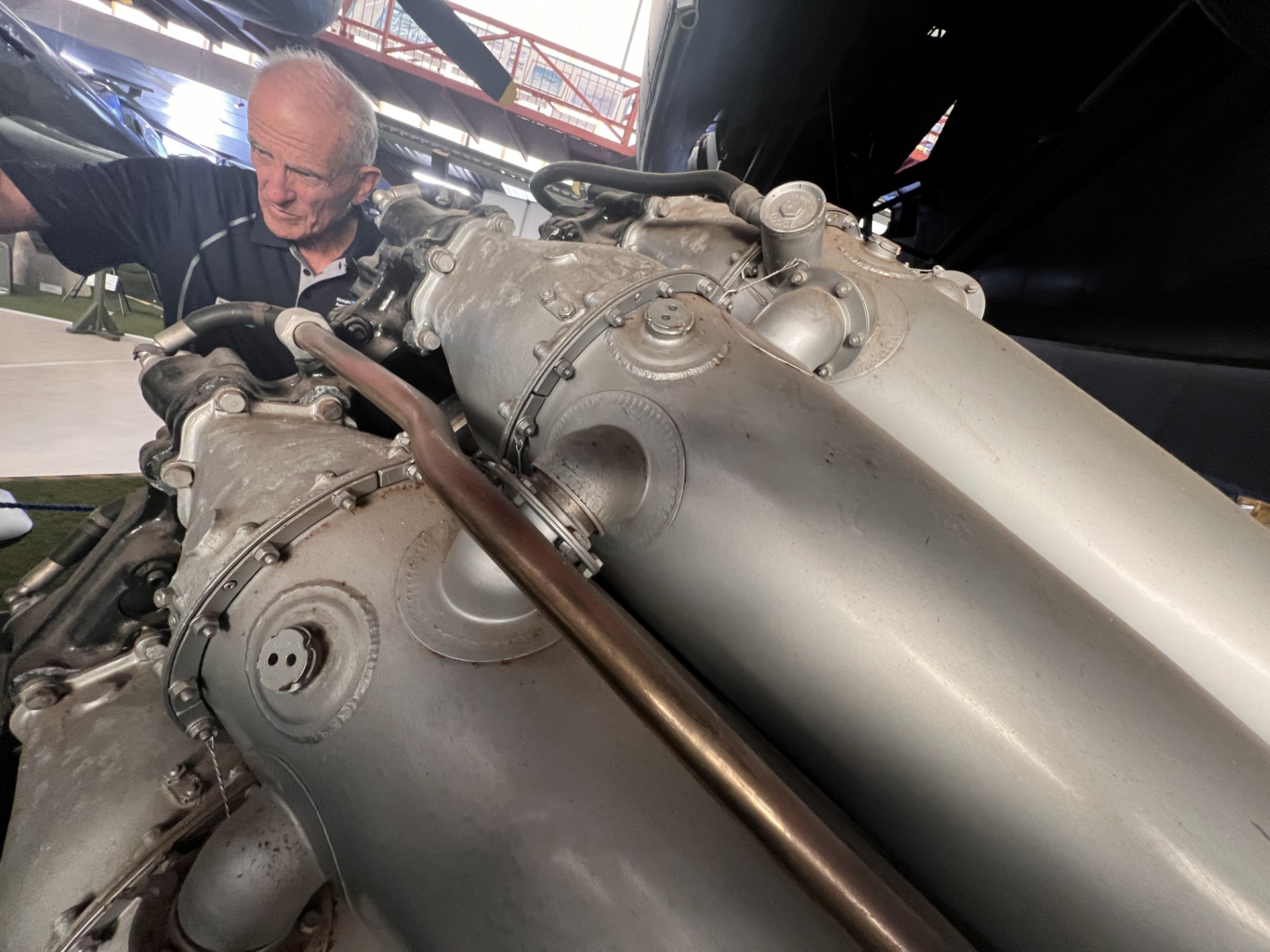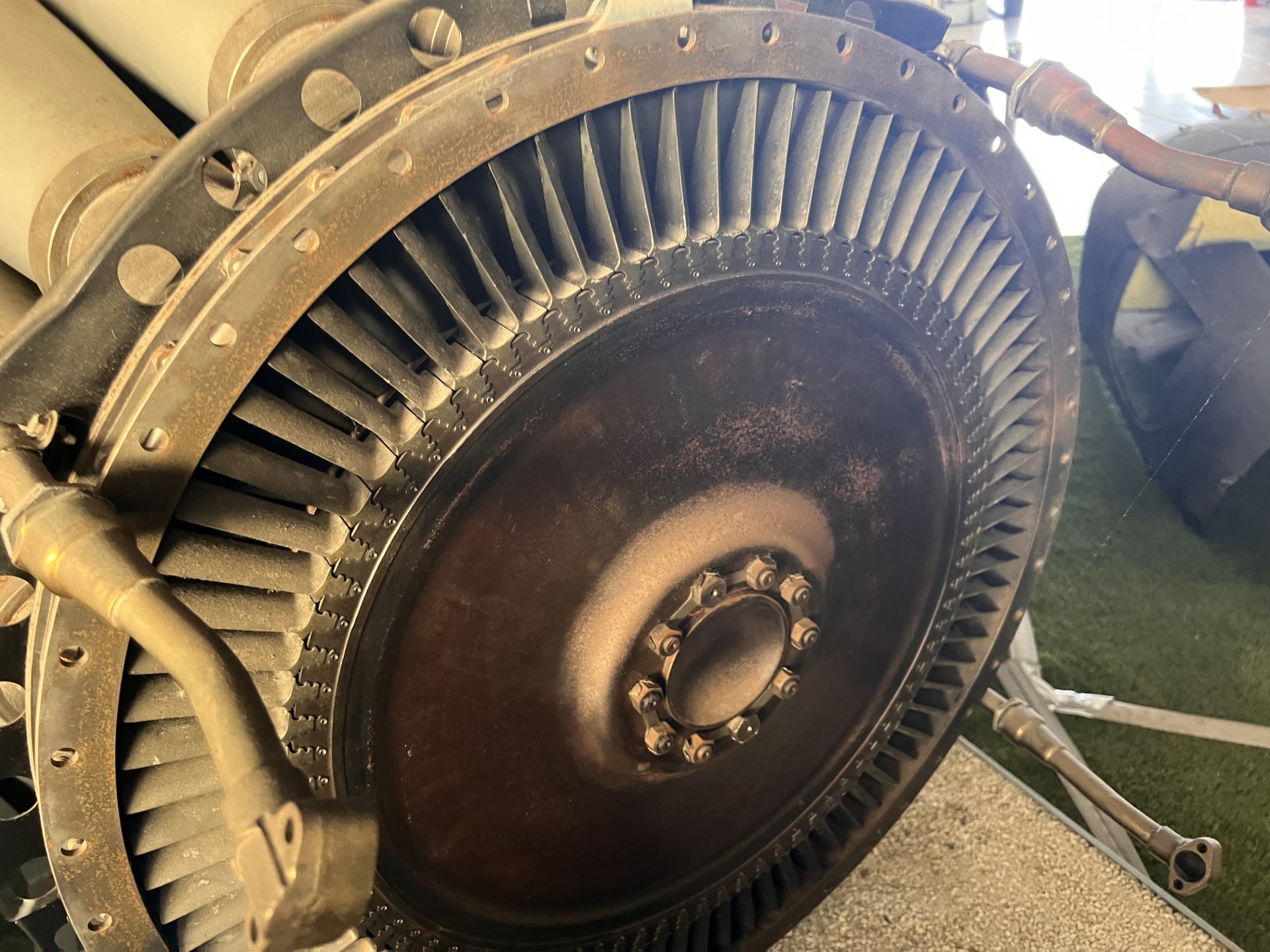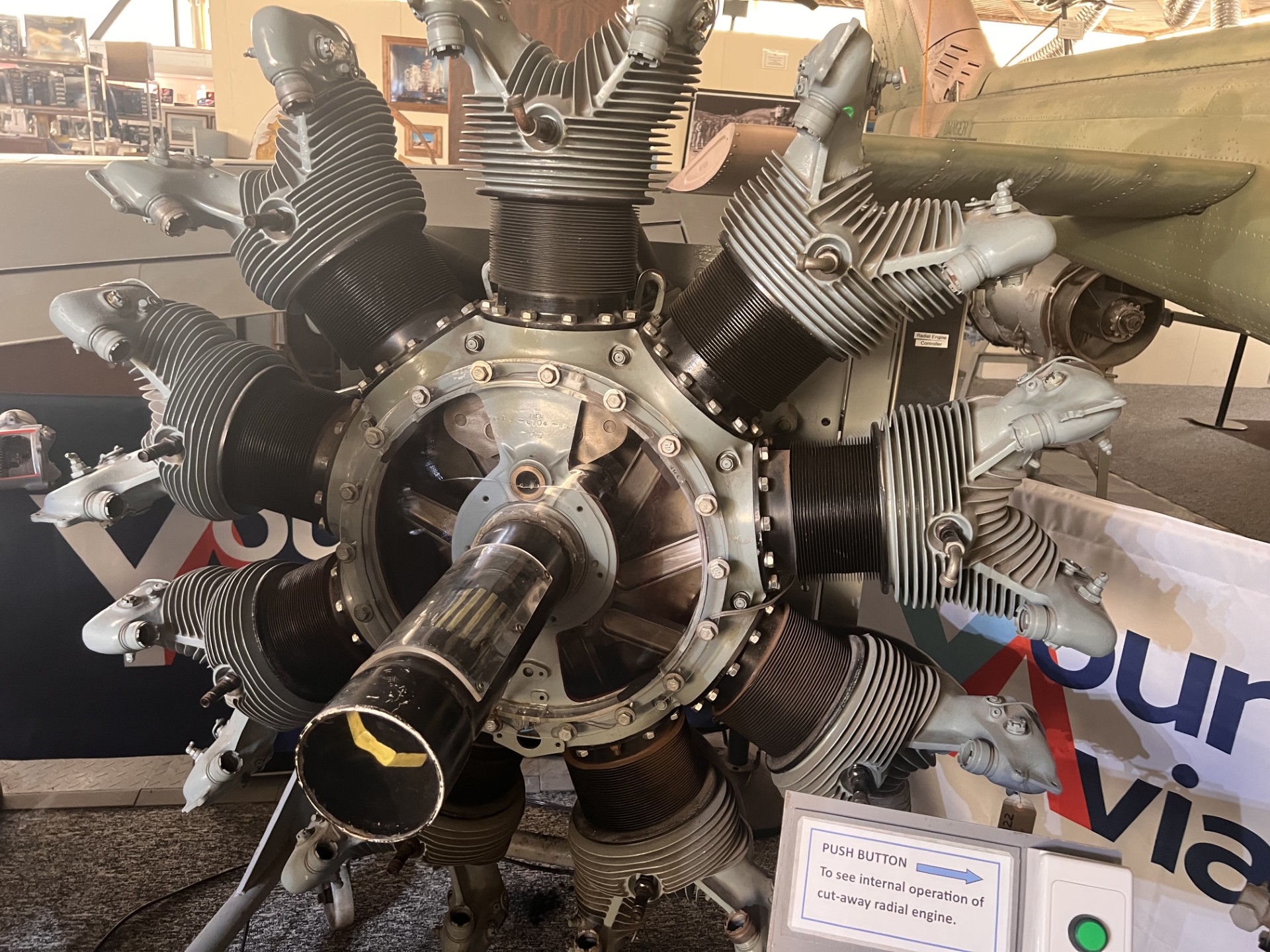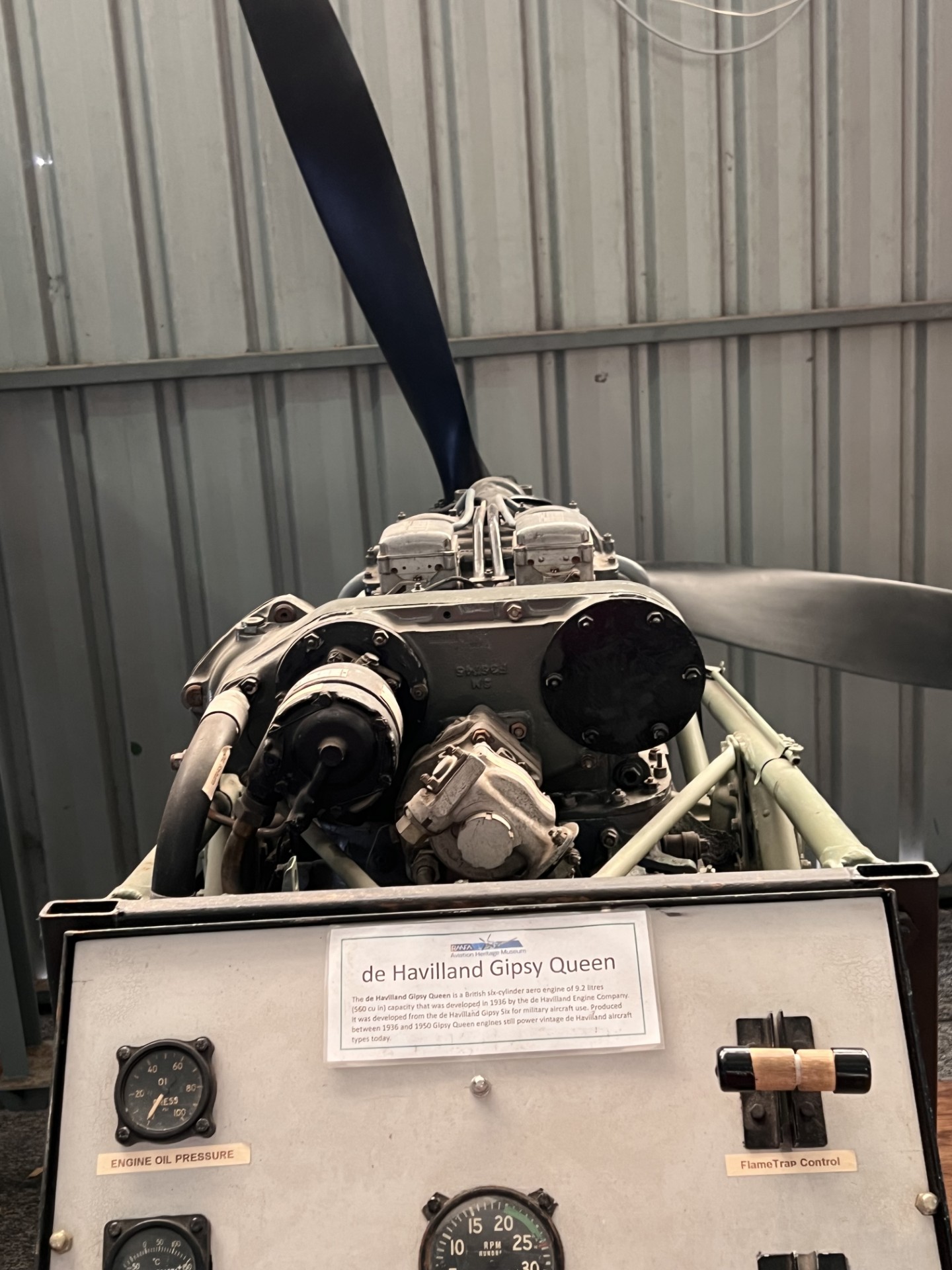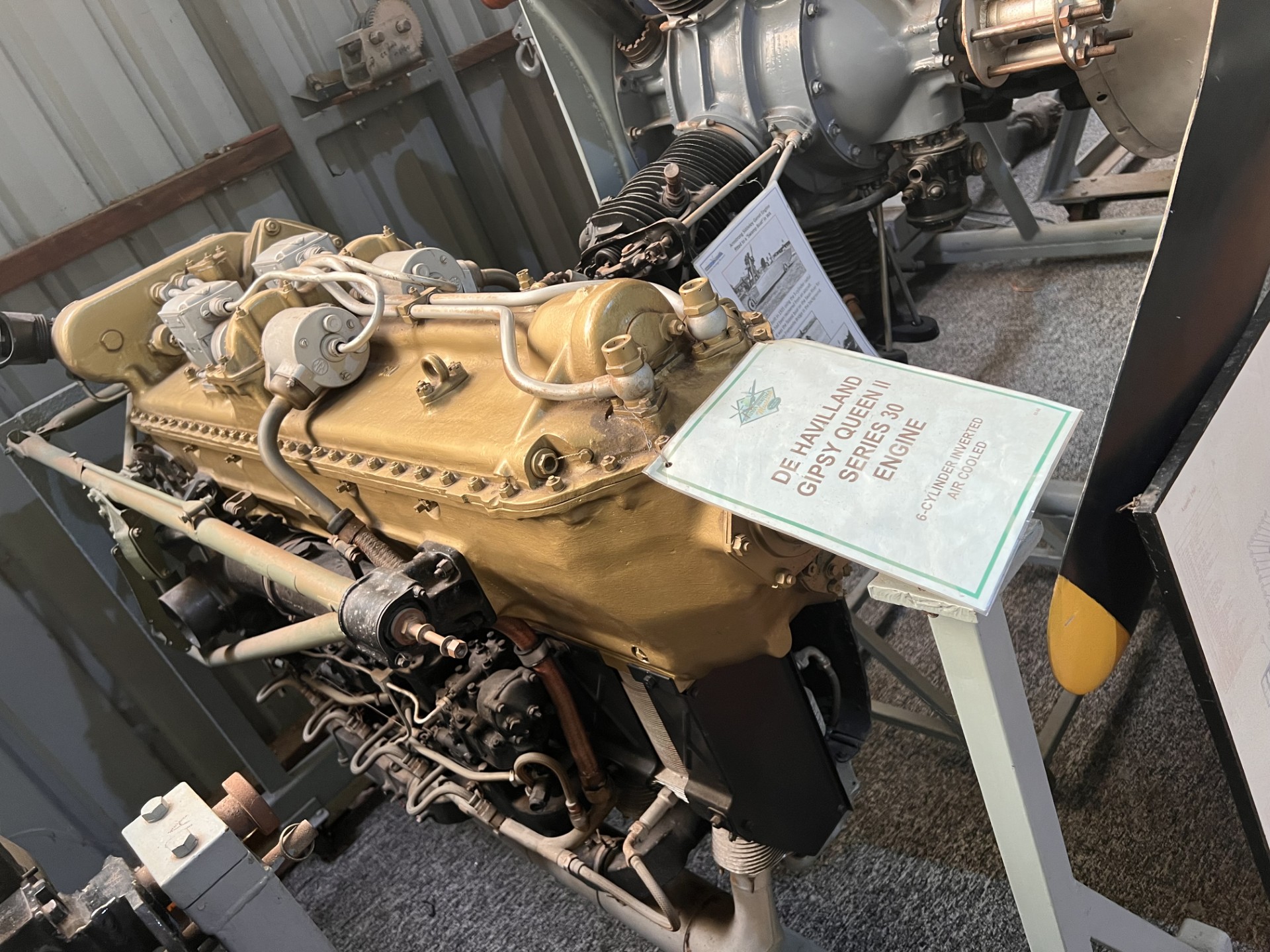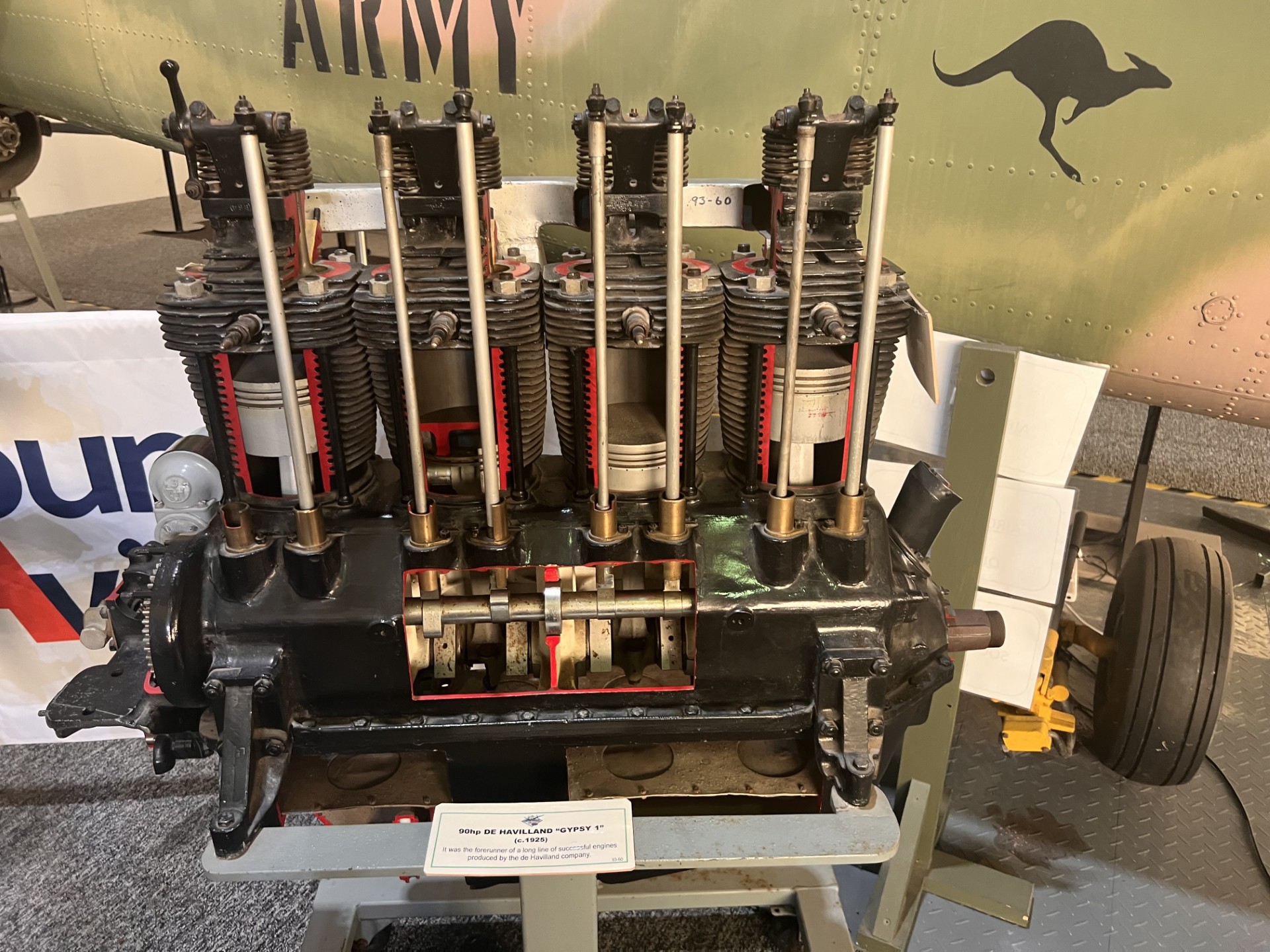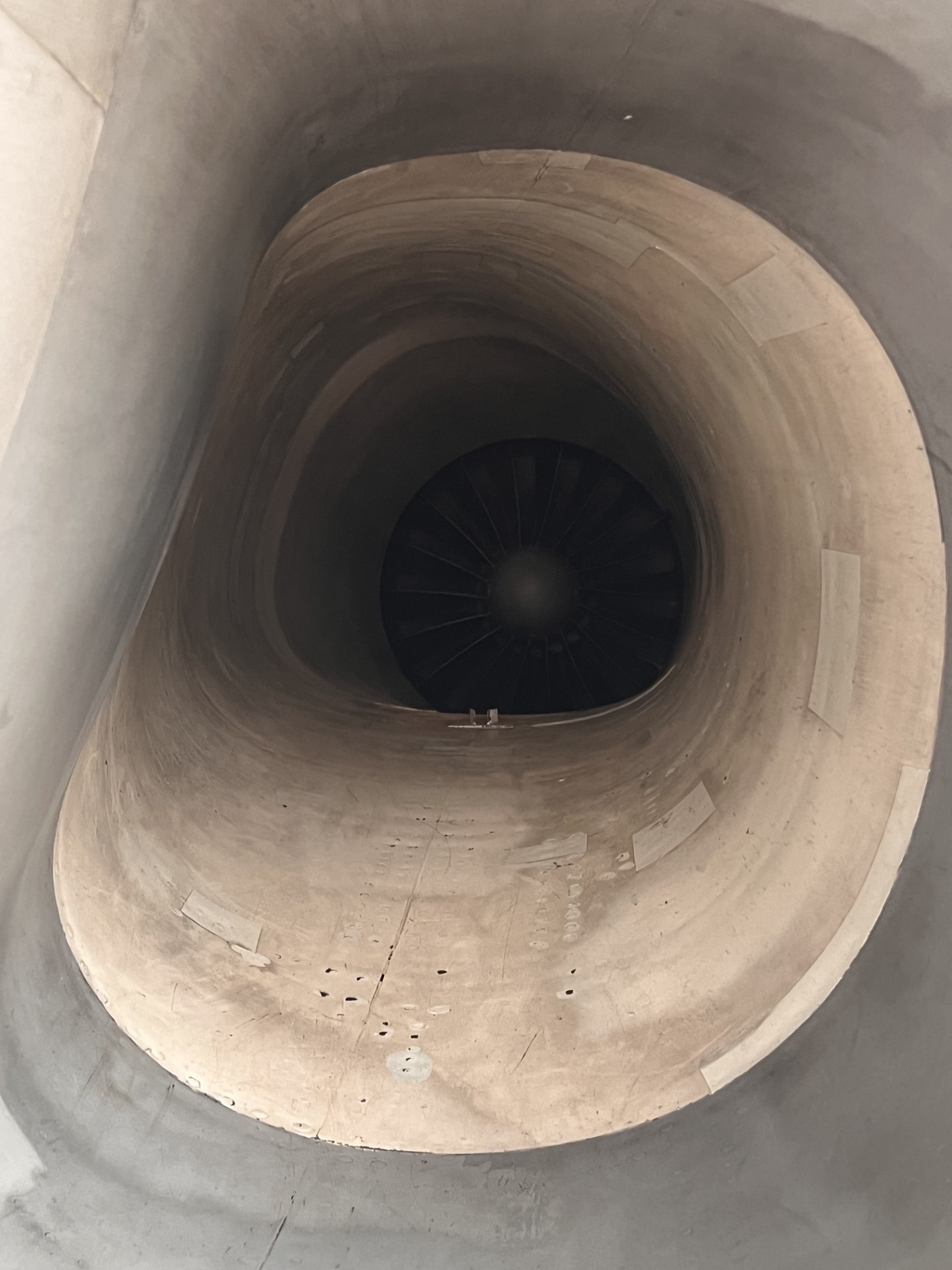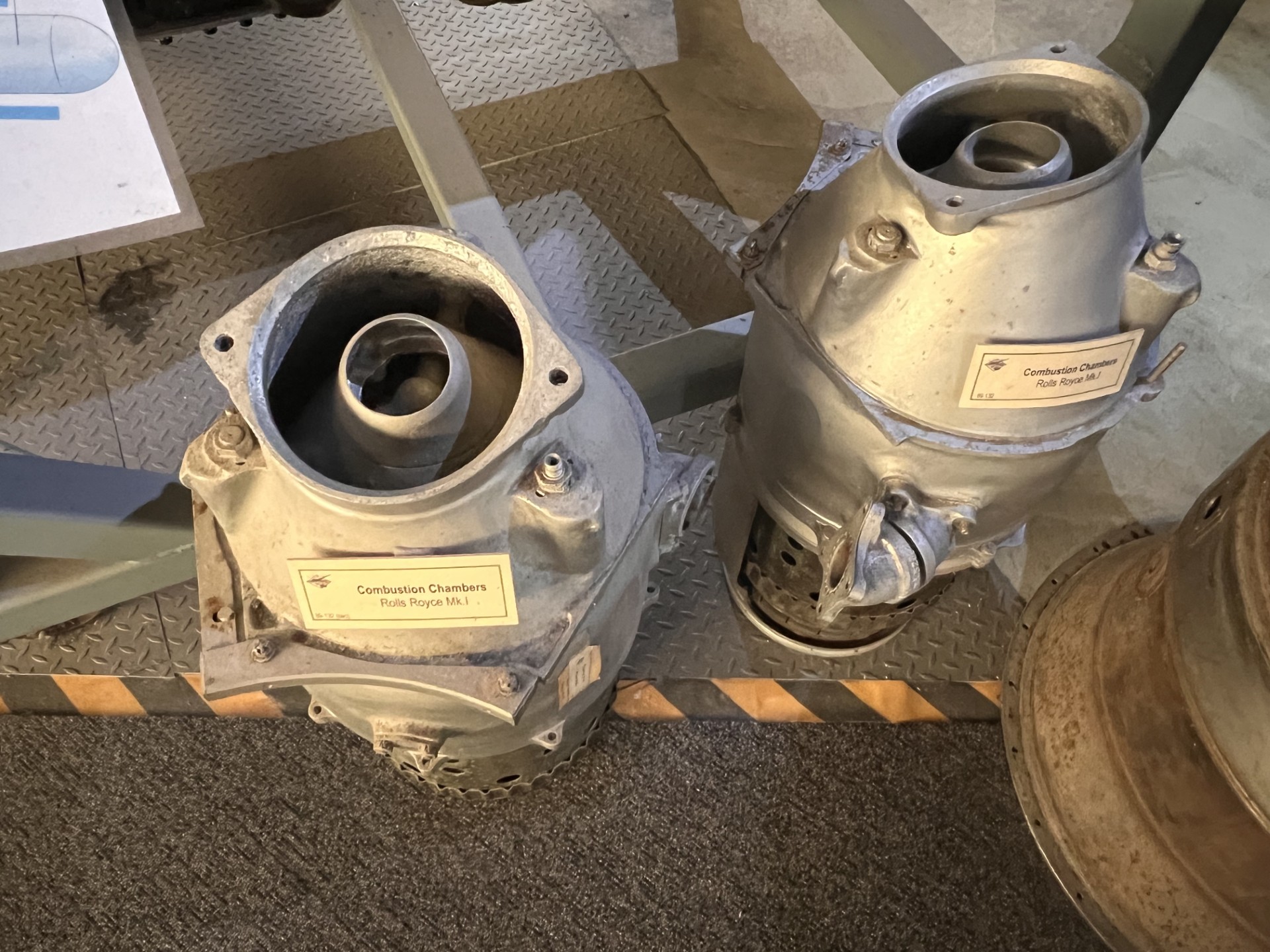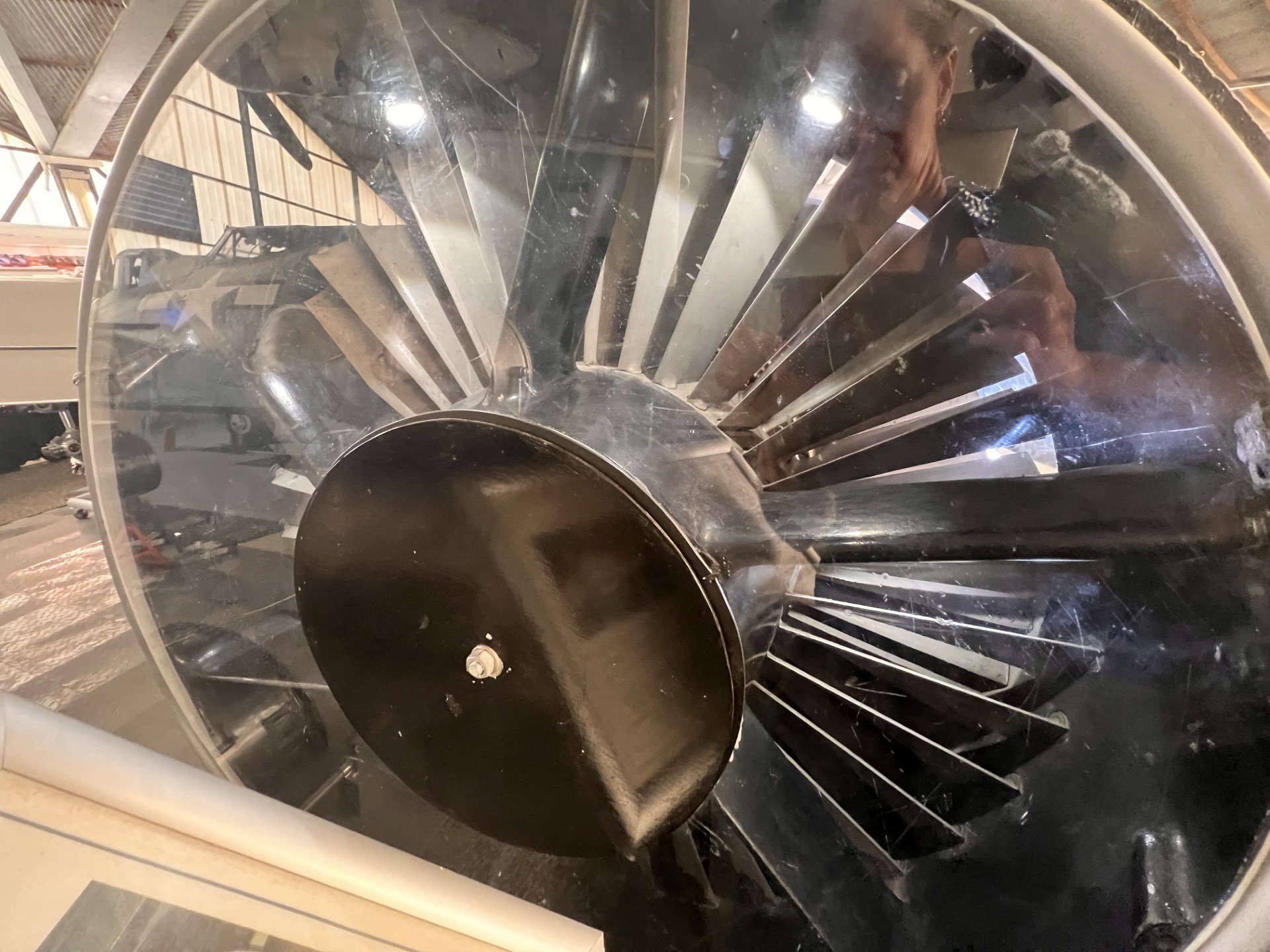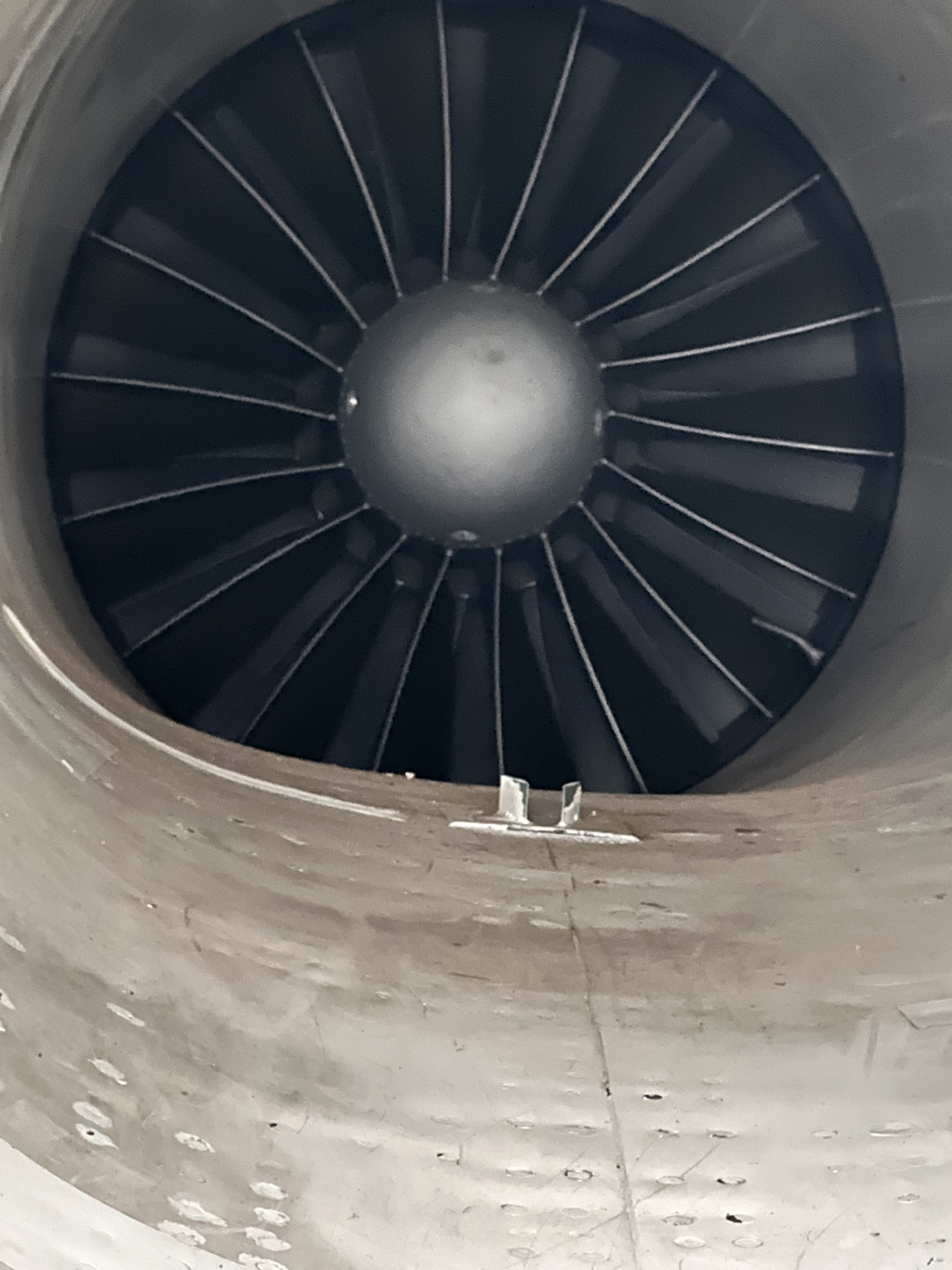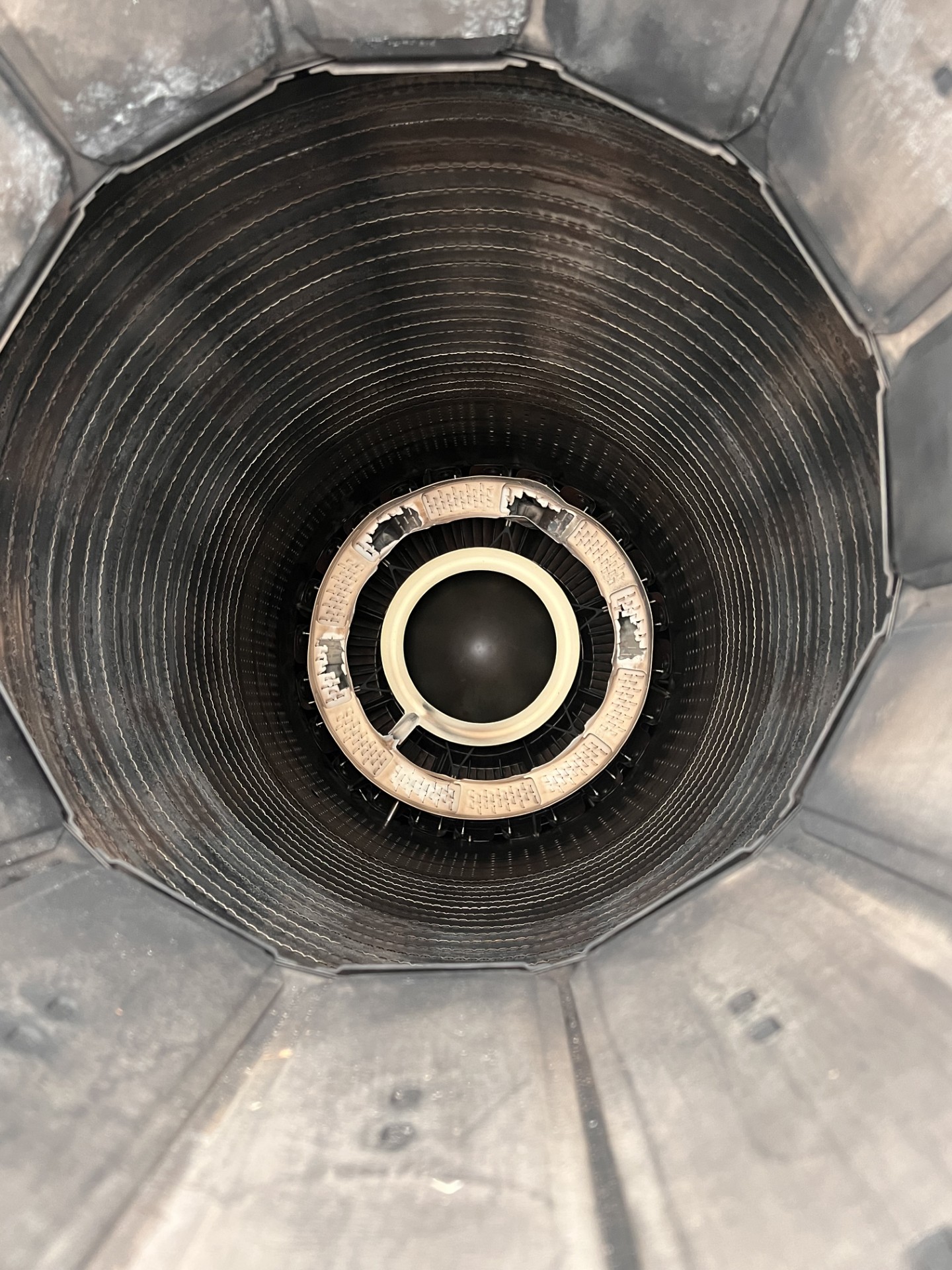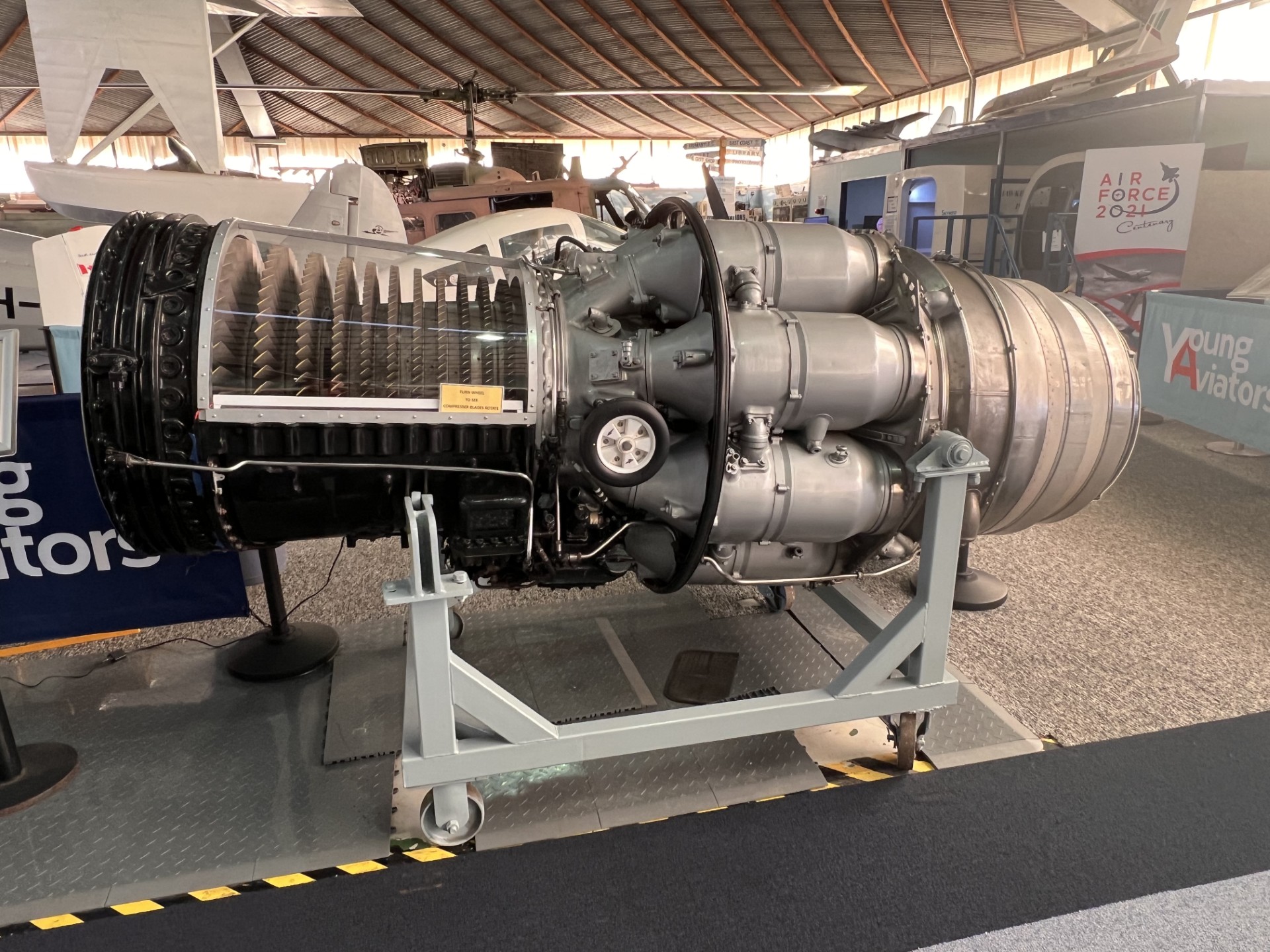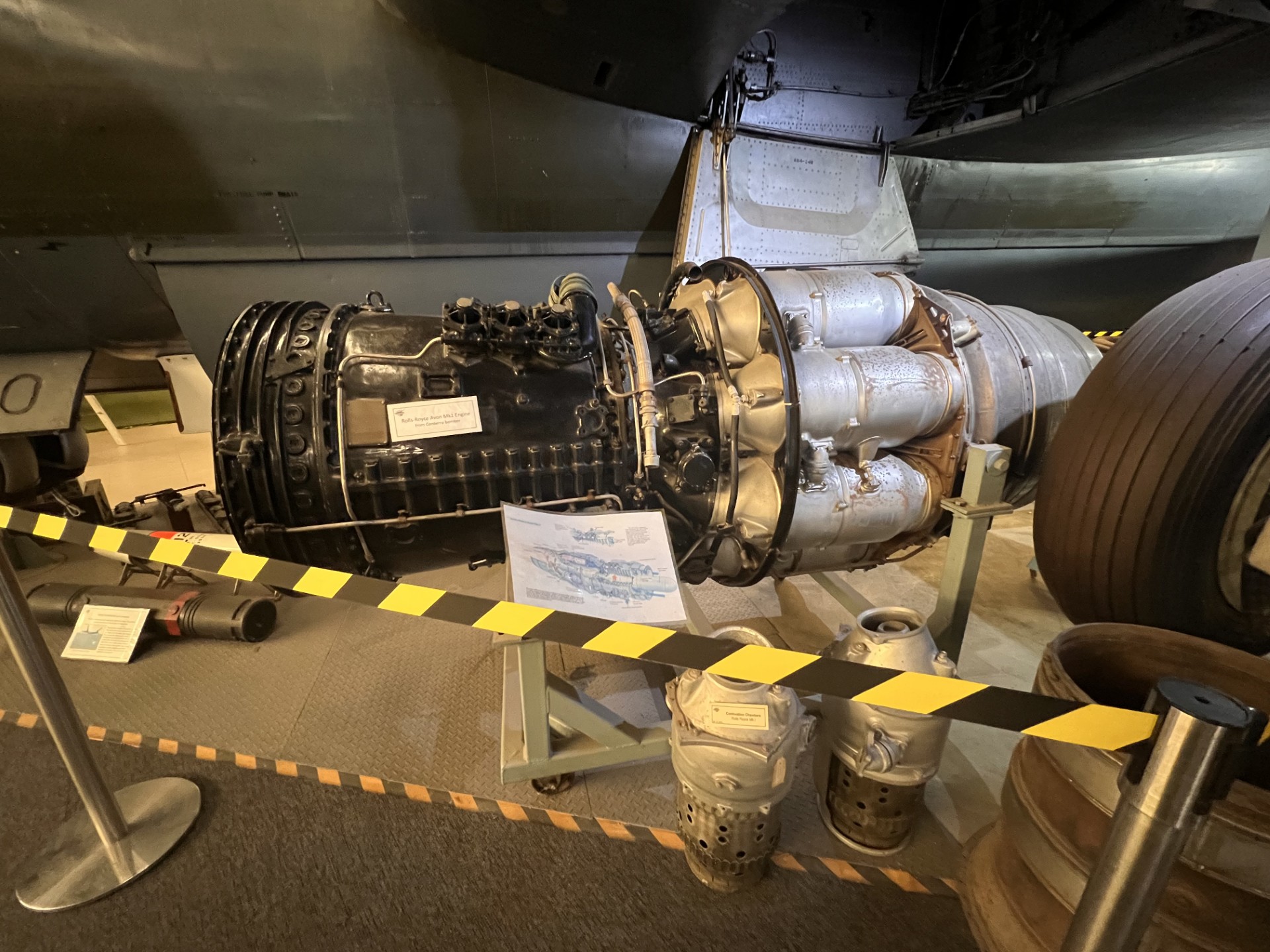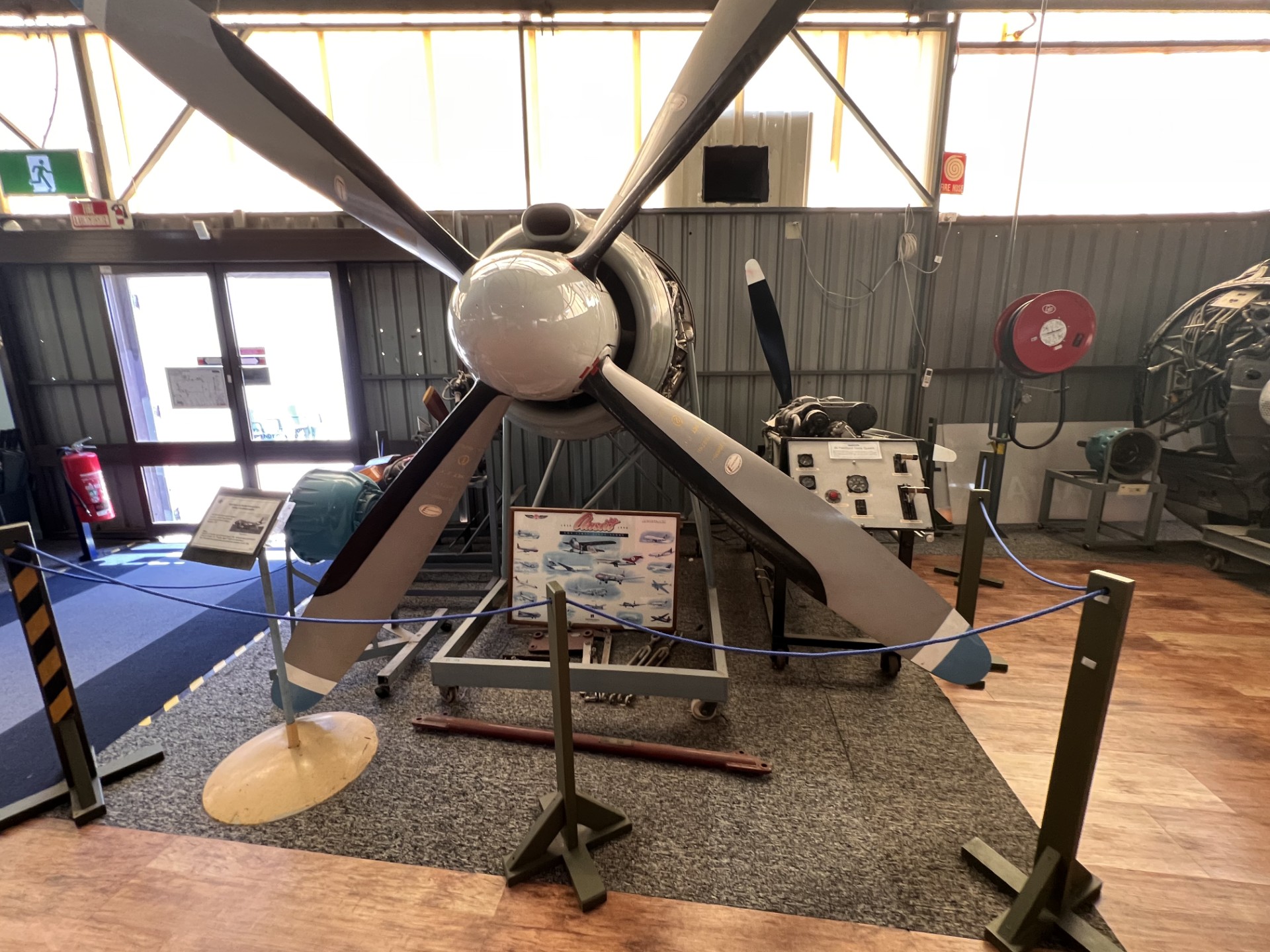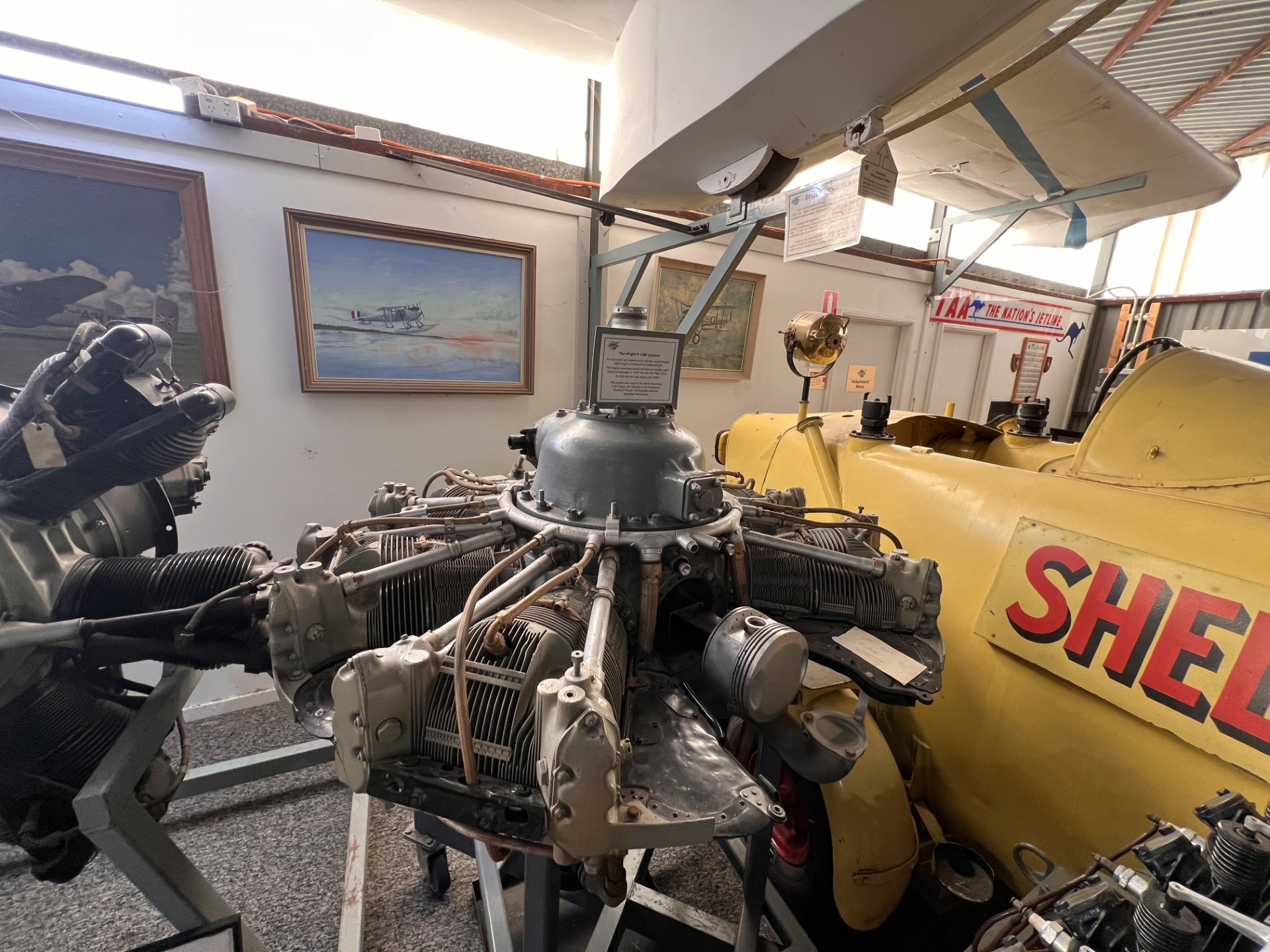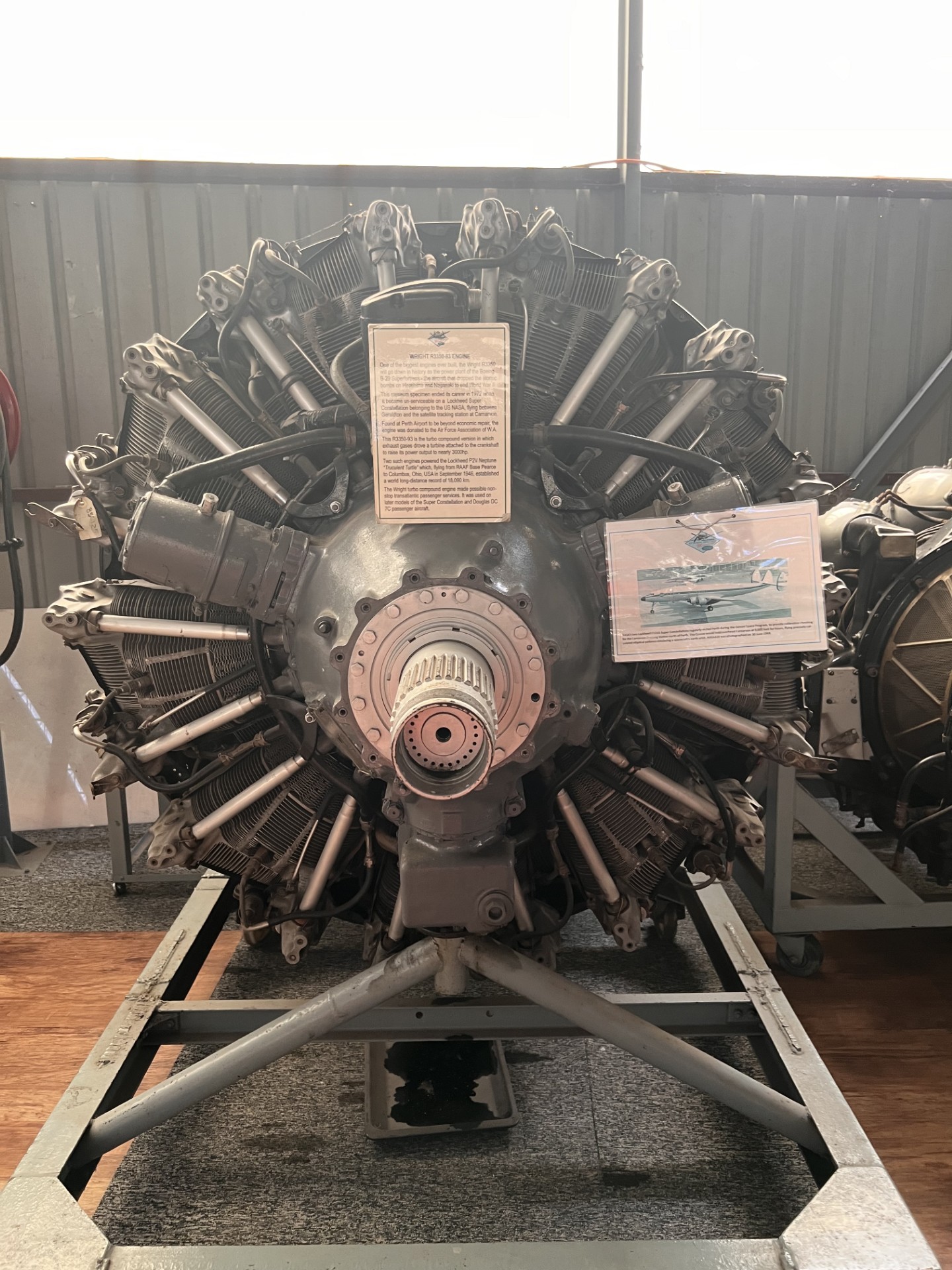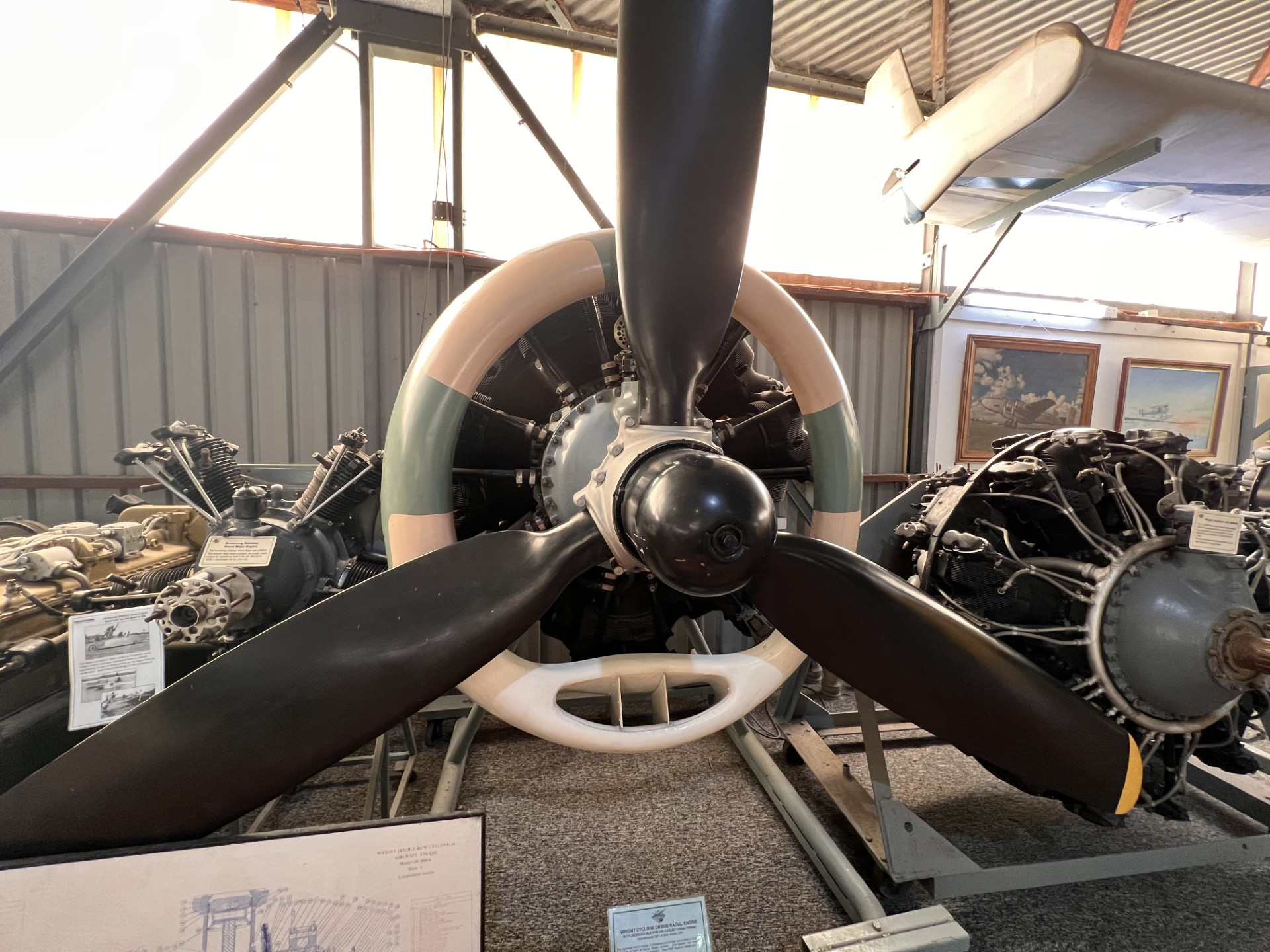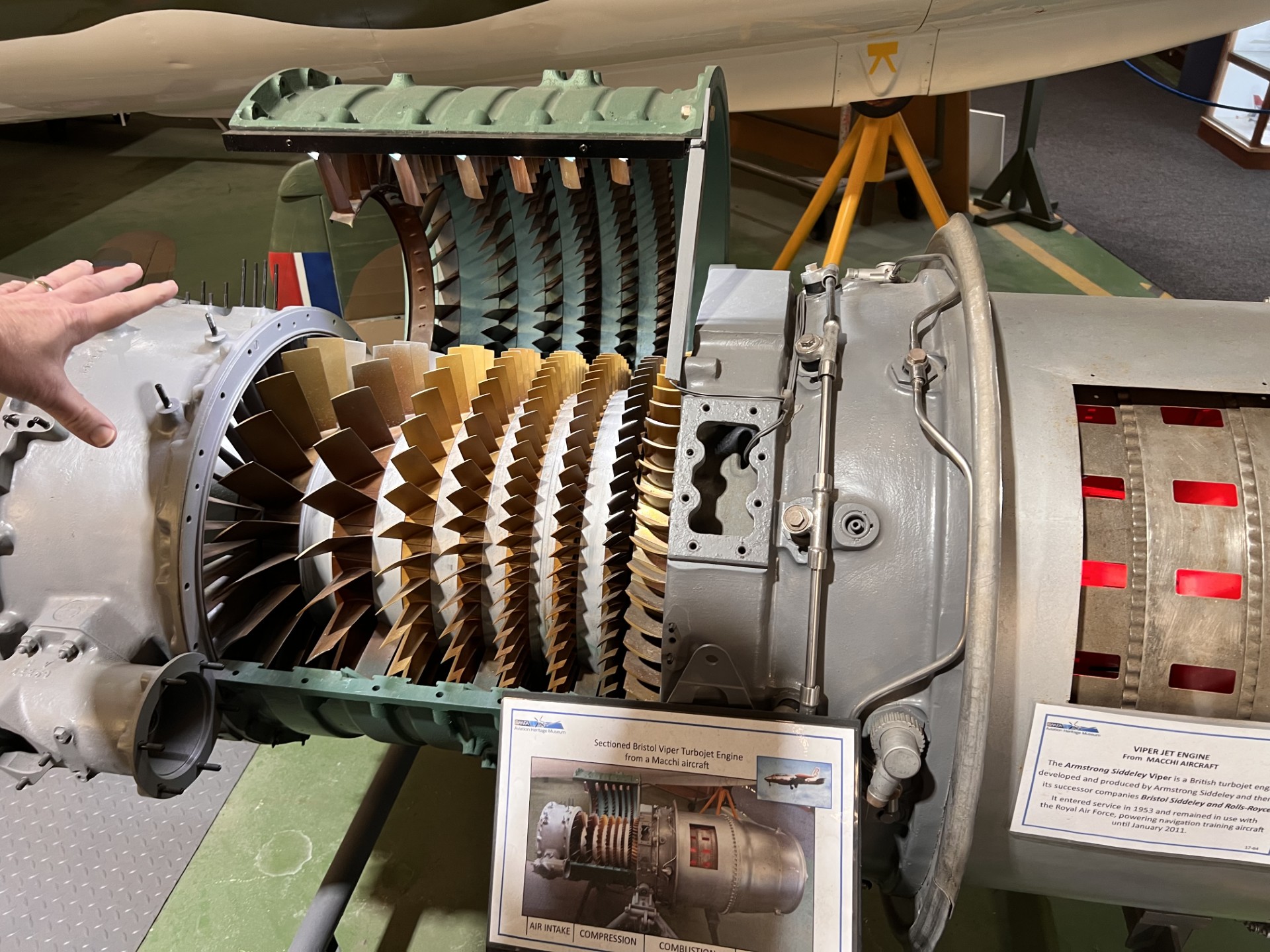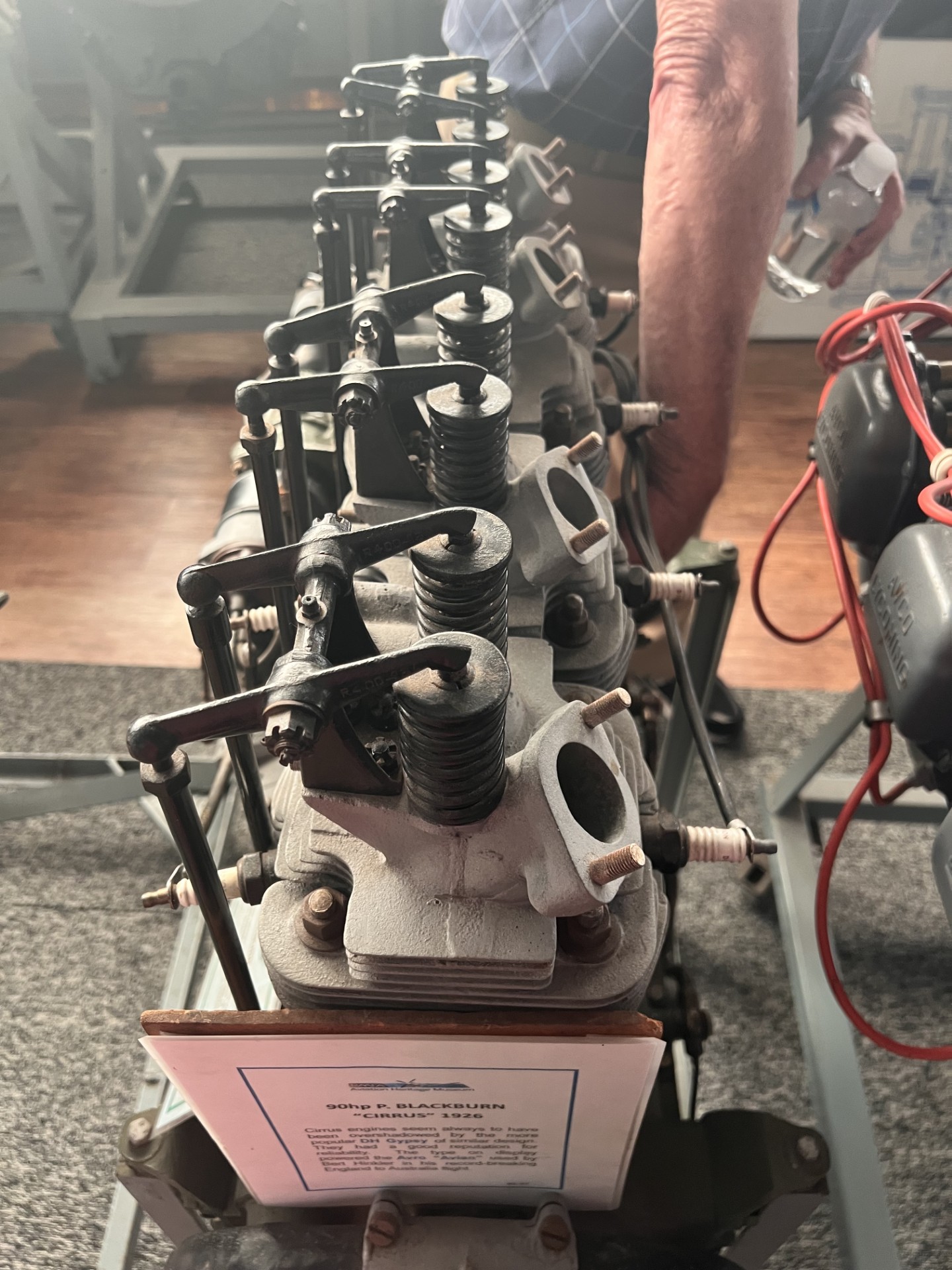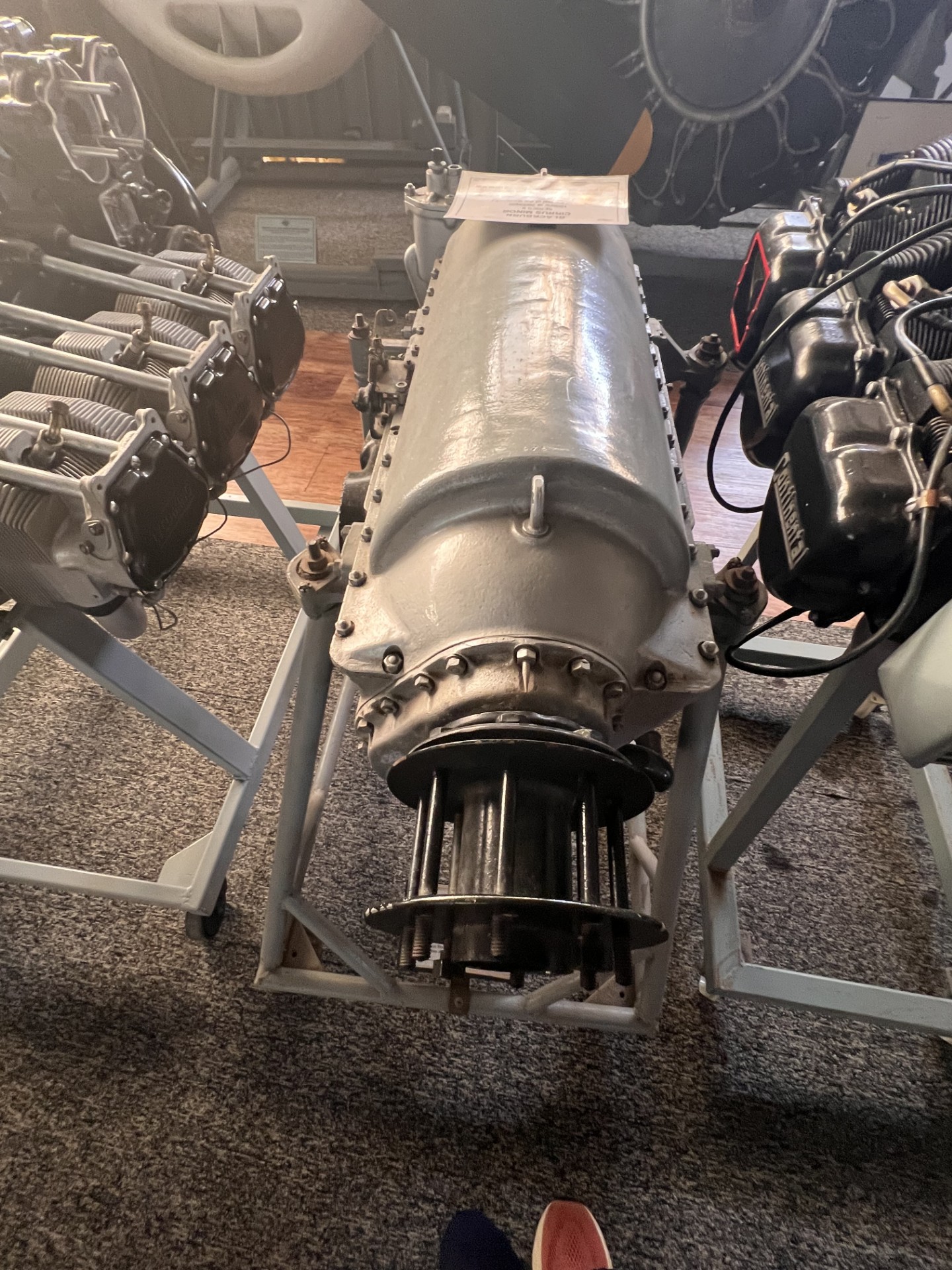
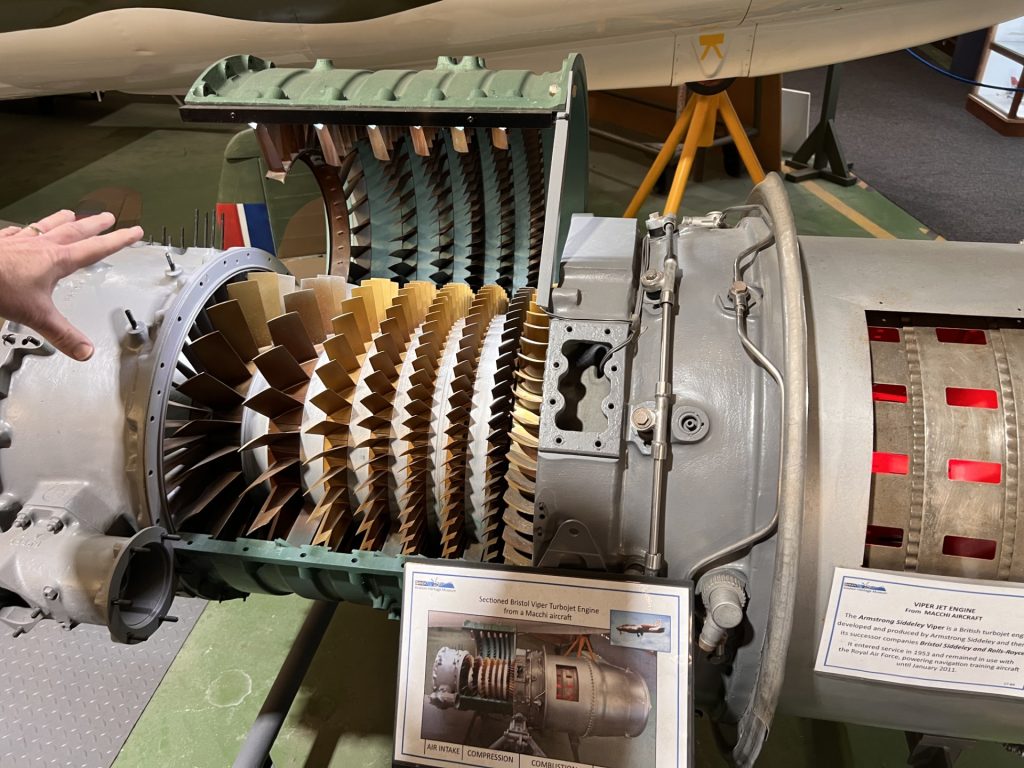
The Evolution of aircraft engines
Subject
Science – Physical sciences
Tour Description
Aligned with the WA Science Curriculum (Year 8 Physical Sciences), this program explores kinetic energy, heat transfer, and technological evolution by exploring the fascinating world of aircraft engines.
Highlights
- Curriculum integration: Focous on kinetic energy, heat transfer, and technological evolution of aircraft engines.
- Hands-on learning: Combines guided tours with self-directed activities (drawing and labelling diagrams, recording data and data analysis).
- Historical context: Discussion of key engineers and aviators.
- Formative assessment: Includes worksheets for observation, diagram labelling, and data analysis—ideal for formative assessment.
Activities
- Identify and classify different aircraft engine types.
- Explain kinetic energy and transformation of heat and gasses in engines.
- Analyse historical contributions to aviation technology.
Year Group
Year 8
Number of Students
Capacity 30 Students
Number of Teachers
Min. 2
Schedule
| Time Slot | Group A | Group B |
|---|---|---|
| 1 hour 10 -11 AM | Guided tour of museum engines and aircraft with Education Program Specialist. (15 students + min. 1 teacher). | Self-guided activities work-booklet requiring independent learning, observation skills, drawing and labelling diagrams, and note-taking. (15 students + min. 1 teacher). |
| 45 minutes 11:00 - 11:45 AM | Recess/ Lunch break | Recess/ Lunch break |
| 1 hour 11:45 - 12:45PM | Self-guided activities work-booklet requiring independent learning, observation skills, drawing and labelling diagrams, and note-taking. (15 students + min. 1 teacher). | Guided Tour of museum engines and aircraft with Education Program Specialist. (15 students + min. 1 teacher). |
Curriculum Outcome Statements
| Year Group | Scope and sequence of the mandated curriculum content for implementation 2026 |
|---|---|
| Year 8 | Physical sciences ⦁ Different forms of energy can be classified as either kinetic or potential energy, energy transformations and transfers cause change within systems. Processing and analysis ⦁ Construct appropriate representations, including tables, graphs, models and mathematical relationships, to organise and process data and information. |
Important Information
| Accessibility | Please email the museum to let us know if you have any accessibility needs museum@raafawa.org.au | |
| Resources | All education resources will be provided. | |
| First Aid | Please BYO First Aid Kit. | |
| Bags/lunches | Student bags/lunches/water-bottles can be stored in a small shed. Do not bring valuables. | |
| Food & Drink | Food and drink are not permitted inside the Museum. A grassy area out the front is perfect for a recess/lunch break. Tables and chairs are also available. | |
| COVID-19 | We ask you to refrain from visiting the Museum if you are feeling unwell. | |
| Shoes | It is required that all students, staff and supervisors wear closed-in shoes. | |
| Busses | Busses cannot park onsite. Drop-off & pick-up only. | |
| Numbers | If you have more students, please email remie.paulik@raafawa.org.au for a special request. | |
| Tailored | This course can be tailored to suit specific year groups or requests. Please email remie.paulik@raafawa.org.au for a special request. | |
| Adult Supervision | The following supervision ratios are required for all education groups visiting the museum. ⦁ Years K-2, minimum 1 adult to 5 students. ⦁ Years 3-6, minimum 1 adult per 10 students. ⦁ Years 7-10, minimum 1 teacher per 15 students. ⦁ Years 11-12, minimum 1 teacher per small group. | |
| Duty of Care | The responsibility of students remains with the education staff from the visiting school or educational organisation. |
How to Book
Bookings can be made online through the booking link & credit card payment is required at the time of online booking.
If the option for an invoice is required for your booking, please call the museum on 08 9311 4470 or get in touch with our Education specialist, Remie at education@raafawa.org.au.